Why malaria-free matters
For a lot of people, malaria decides the trip. Families with small children, pregnant travellers, anyone who reacts badly to antimalarials, or people who simply don’t want to take tablets on a four-day break.
South Africa makes this easier than most safari countries. According to the UK’s travel health service, NaTHNaC, malaria risk is concentrated in the low-lying parts of Mpumalanga and Limpopo, especially along the borders with Mozambique, Eswatini and Zimbabwe. That includes Kruger National Park. Northeast KwaZulu-Natal carries a lower risk. The rest of the country is classed as no risk.
That leaves several reserves where you can find lion, leopard, elephant, buffalo and rhino, well away from the risk areas.
One thing first: this is not medical advice. Risk maps change, and their borders are approximate. Before you travel, check with a travel clinic.
The small print on “Big Five”
Every reserve in this guide is fenced, and every one was restocked. Farms, hunting land or degraded bush were turned back into wildlife areas, and animals were brought in to fill them.
That isn’t a criticism. Some of these are among the best conservation stories in the country. But it helps to know what you’re getting:
- Leopards are hard to see almost everywhere on this list. They’re present, but shy. Treat a leopard as a bonus, not a promise.
- Size varies a lot. Some private reserves in the Eastern Cape are under 10,000 hectares. Madikwe is around 75,000.
- Not every “Big Five” label means free-roaming Big Five. More on that further down.
Madikwe Game Reserve, North West

Madikwe sits against the Botswana border, roughly four hours’ drive from Johannesburg. It was proclaimed in 1991 on old cattle farms, and the restocking that followed, Operation Phoenix, brought in more than 8,000 animals.
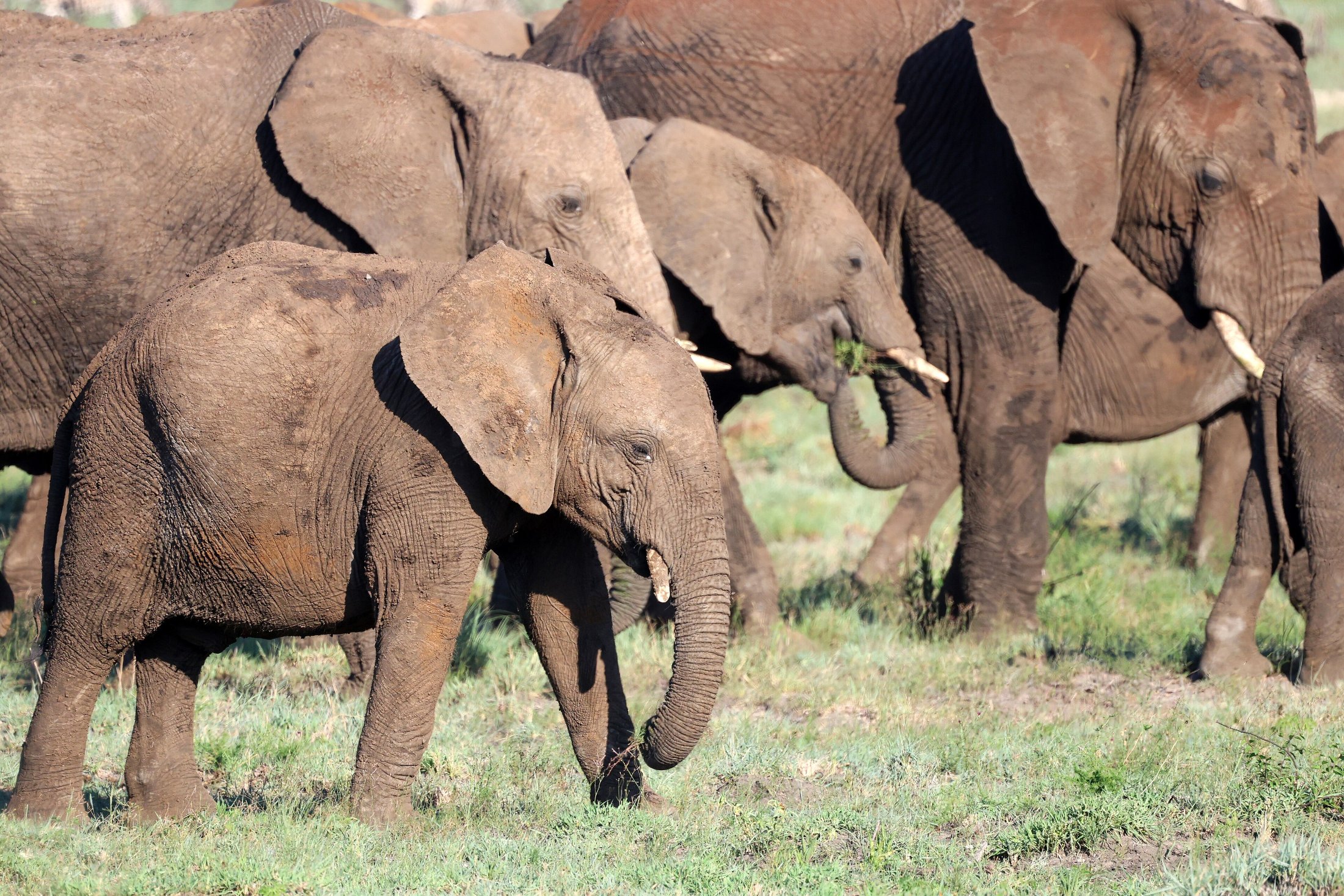
It covers around 75,000 hectares and has all of the Big Five. Elephants are a big part of the experience: a 2024 aerial survey counted 1,633. Madikwe is also among the more reliable places in South Africa to see African wild dogs.
There are no day visitors. You stay at one of the lodges inside the reserve, and game drives are guided. That keeps vehicle numbers down, and it’s why Madikwe is the first name most people give when you ask for a malaria-free Big Five reserve.
Plan at least three nights. See our Madikwe Where to Stay page and the Madikwe map.
Pilanesberg, North West
Pilanesberg is the easy one. It’s about two hours from Johannesburg, you can drive yourself in an ordinary car, and day visits are allowed.
The park lies inside the eroded rings of an ancient volcanic complex, which gives it hills and valleys you don’t get in flat bushveld. It opened in 1984, and the Big Five were all brought in during the restocking.

The trade-off is company. Pilanesberg is close to the city and busy at weekends, and leopards are rarely seen. For a first safari with children, or a short break from Johannesburg, it’s hard to beat. For quiet, look elsewhere.

More options close to the city are in our guide to game reserves near Johannesburg. For lodges, see Pilanesberg Where to Stay.
The Waterberg, Limpopo
The Waterberg is mountain country about two and a half to three hours north of Johannesburg. It has several Big Five reserves:
- Welgevonden Game Reserve, around 36,000 hectares. No day visitors, and guests don’t self-drive; you’re out with your lodge’s guides.
- Marakele National Park, run by SANParks. You can self-drive here, and part of the road network is fine for a normal car.
- Entabeni, around 22,000 hectares.

The Waterberg is also the one place in this guide where the malaria picture is less clear. It isn’t in the high-risk lowveld, and the reserves market themselves as malaria-free. But the US Centers for Disease Control notes sporadic cases in the western Waterberg District after a 2017 outbreak, and a 2018 draft risk map from South Africa’s National Institute for Communicable Diseases extended the low-risk zone over the northern part of the district. Talk to a travel clinic about the specific reserve.
See our Waterberg Where to Stay page and the Waterberg map.
The Eastern Cape
The Eastern Cape is the other big malaria-free safari region, and it combines easily with the Garden Route.
Addo Elephant National Park was proclaimed in 1931 to protect the last 11 elephants in the area. Today it has more than 600 elephants and over 400 buffalo, and lions were brought back in 2003. You can self-drive, and it’s close to Gqeberha (Port Elizabeth). SANParks describes its leopards as very seldom seen.

The private reserves nearby are guided-only and range widely in size:
| Reserve | Size |
|---|---|
| Shamwari | 25,000 ha |
| Kwandwe | 22,000 ha |
| Kariega | 12,000 ha |
| Amakhala | 9,000 ha |
See our Eastern Cape safari page and Eastern Cape Where to Stay.
Check before you book
Some places get lumped into malaria-free Big Five lists when they don’t quite belong:
- Tswalu Kalahari in the Northern Cape is outstanding and malaria-free, but it doesn’t list elephant, so it isn’t a Big Five reserve. Go for the Kalahari, not the checklist.
- Aquila, the day-safari reserve near Cape Town, sells “Big 5” trips, but its lions are rescued animals kept in a secure enclosure, separate from the free-roaming wildlife.
- Etosha in Namibia is often suggested as an alternative. It has no buffalo, so it isn’t Big Five either.
When to go
The dry winter months, roughly June to August, are the classic time: thinner bush, and animals gathering at water. That’s also when malaria risk is lowest even in the risk areas, which matters if your trip combines a malaria-free reserve with somewhere like Kruger.
Travelling with young children, check each lodge’s age policy before booking. They vary. Shamwari, for example, takes children from age three on game drives, while Kwandwe welcomes all ages and suggests five and up as ideal.
For the bigger picture, see our safari season guide by country.
Explore more on 25South
- Madikwe Game Reserve: the reserve profile and camps map.
- Game Reserves Near Johannesburg: safari without the long haul.
- Kruger National Park: for when malaria isn’t a deciding factor.
Sources
- NaTHNaC / TravelHealthPro, South Africa
- CDC Yellow Book, South Africa
- NICD, revised malaria risk map (draft), 2018
- South African Tourism, Madikwe Game Reserve
- Welgevonden Game Reserve
- SANParks, launch of the enlarged Marakele National Park
- SANParks, Addo Elephant National Park history
- SANParks, Addo Elephant National Park mammals
- Kwandwe, FAQs
- Tswalu, Need to Know guide 2024
- Aquila, wildlife FAQs
Top photo: flowcomm / CC BY 2.0, via Wikimedia Commons