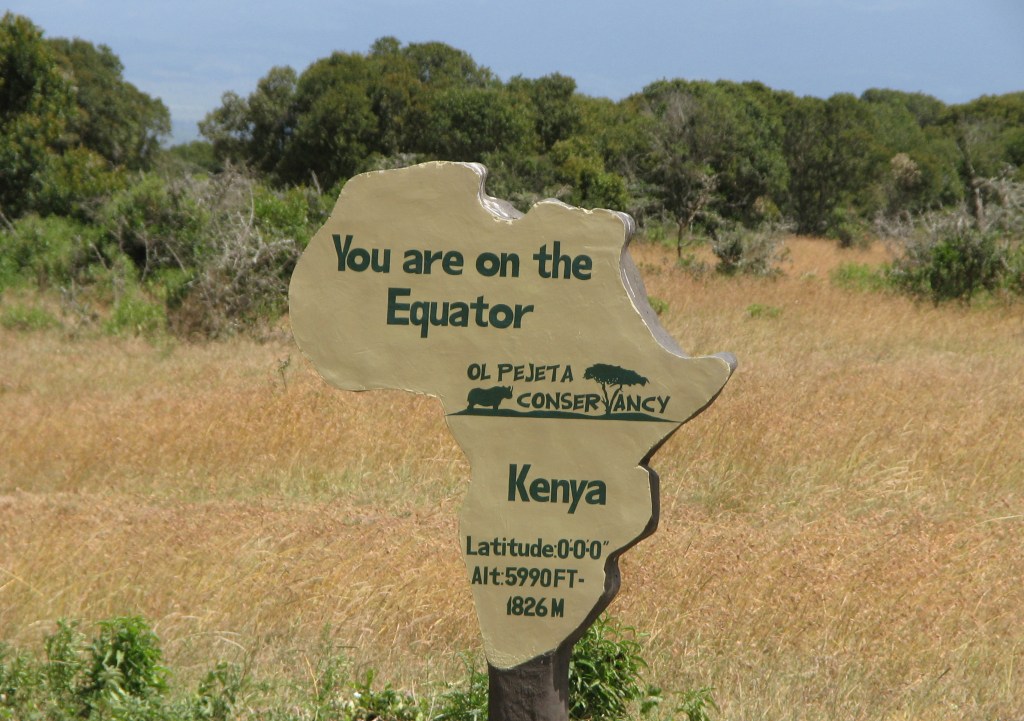
On the equator, in the shadow of Mount Kenya, lies a 360-square-kilometre patch of savannah unlike anywhere else in Africa. Ol Pejeta Conservancy is the largest black rhino sanctuary in East Africa, the only place on earth where you can stand near the last two northern white rhinos alive, and the only place in Kenya where you can watch chimpanzees. It also delivers a classic Big Five safari — but with a conservation story woven through every game drive. This is a complete guide to visiting.
What makes Ol Pejeta different
Ol Pejeta is not a national park; it’s a not-for-profit conservancy of roughly 360 km² (about 90,000 acres) in Laikipia County, central Kenya. Tourism revenue is reinvested directly into wildlife protection and surrounding communities. The result is one of the highest densities of wildlife-to-area in Kenya, and a model where seeing the animals directly funds saving them.
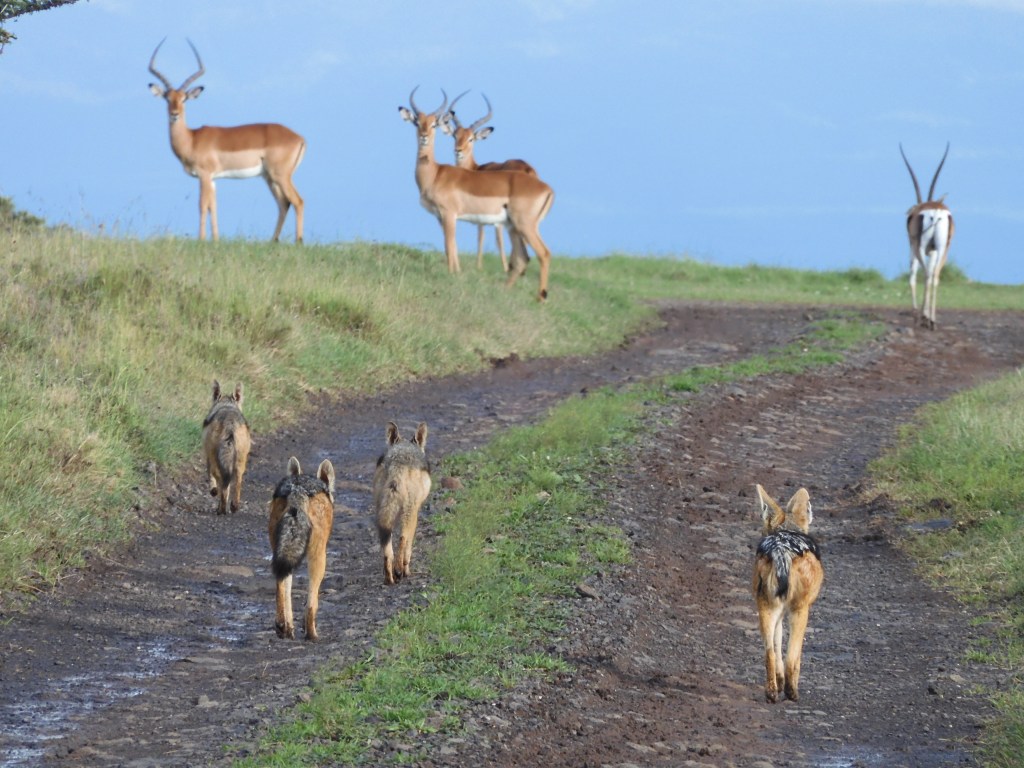
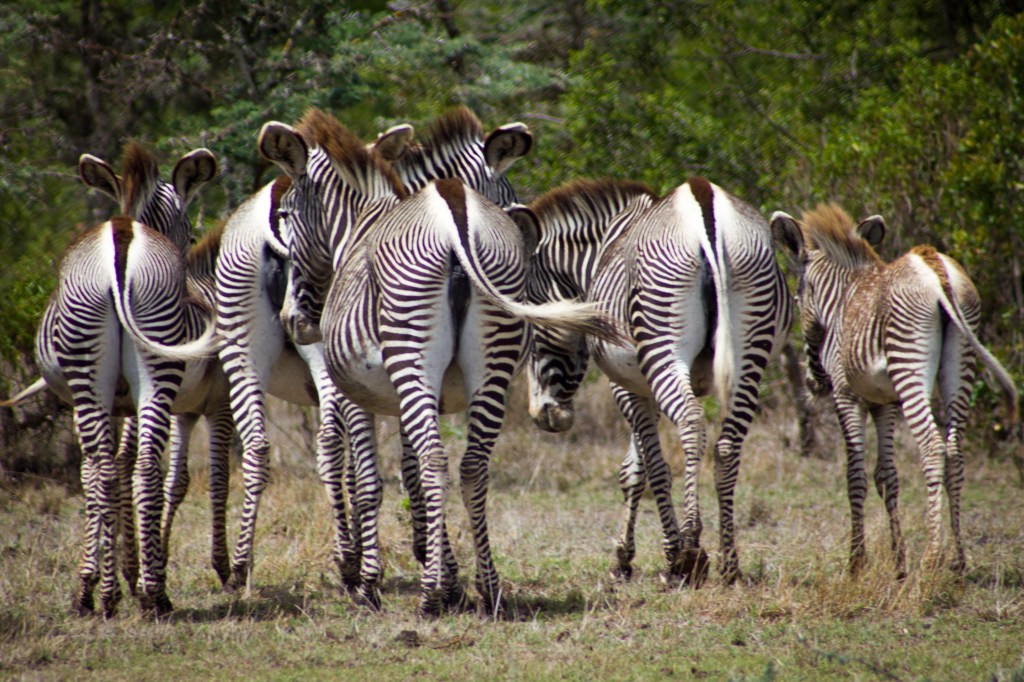
It holds the Big Five (lion, leopard, elephant, buffalo and rhino), more than 300 bird species, and rare specialists such as the endangered Grevy’s zebra and Jackson’s hartebeest (African wild dogs also pass through occasionally) — alongside two things found nowhere else in the combination Ol Pejeta offers: the northern white rhinos and a chimpanzee sanctuary.
From cattle ranch to conservation flagship
Ol Pejeta’s story is almost as improbable as its rhinos. In the colonial era this was cattle country: John and Jane Kenyon took over the ranch in 1949, when it was owned by Lord Delamere, and built it into a successful beef operation. Later owners included Adnan Khashoggi, the billionaire arms dealer who was among the richest men in the world in the early 1980s — he kept a lavish private mansion on the property.
As elephants reclaimed the land and trampled the cattle fences, ranching grew less viable and wildlife took over. In 1988, owner Lonrho Africa opened the Sweetwaters Game Reserve as a sanctuary for endangered black rhino. The turning point came in 2004, when the UK conservation charity Fauna & Flora International bought the land with a $15 million donation from the Arcus Foundation, converting it into the not-for-profit conservancy and land trust it remains today — Kenyan-run, with income reinvested in wildlife and the surrounding community.
The last northern white rhinos: Najin and Fatu
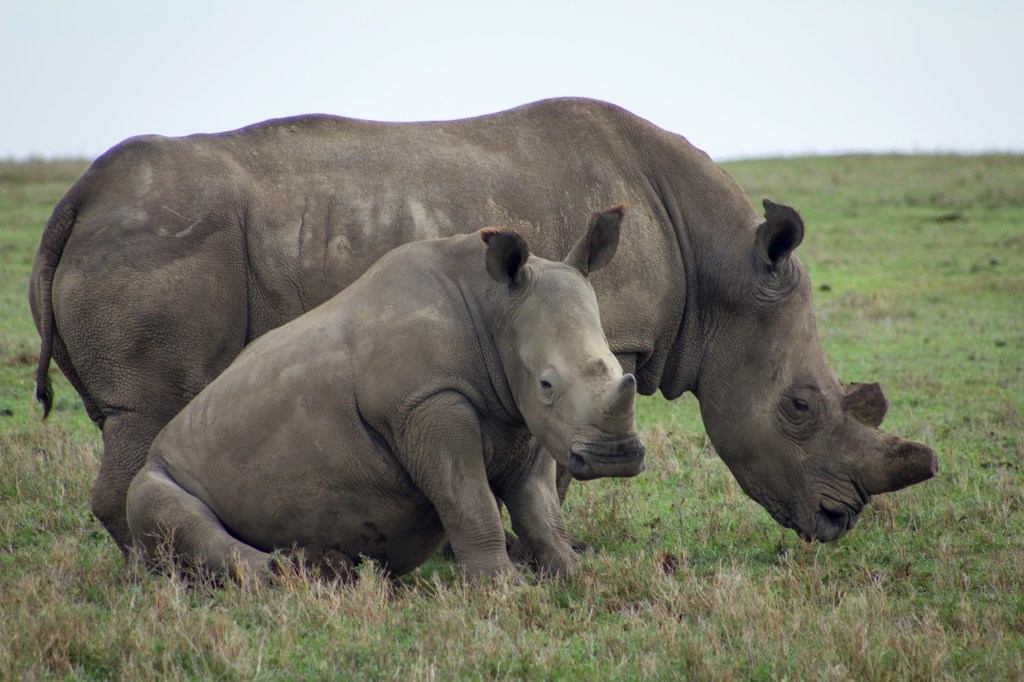
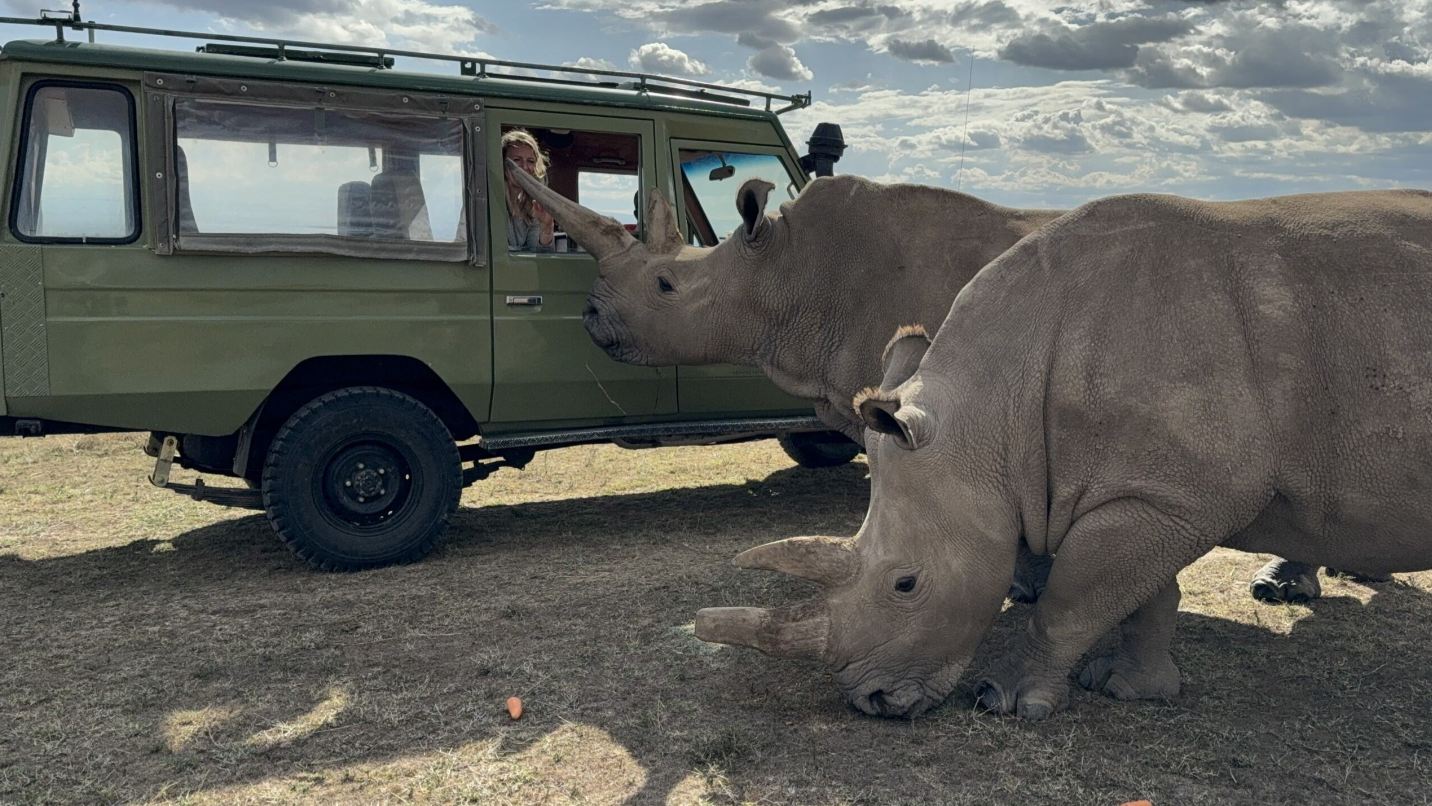
This is the heart of Ol Pejeta’s fame. The northern white rhino is functionally extinct: after the last male, Sudan, died in 2018, just two females remain — Najin and her daughter Fatu — and both live at Ol Pejeta under 24-hour armed guard.
Their story here began on 20 December 2009, when four northern white rhinos — males Sudan and Suni, and females Najin and Fatu — were flown from the Dvůr Králové Zoo in the Czech Republic to Kenya, the subspecies’ native habitat, in the hope that its climate and grasslands might encourage breeding. Suni died in 2014; Sudan, the last male, in 2018.
Sudan became a global celebrity along the way. In 2017, Ol Pejeta and the agency Ogilvy listed him on Tinder as “the most eligible bachelor in the world,” a campaign that reportedly raised around US$85,000 for reproduction research; that same year a charity cricket match on the conservancy was billed “Last Male Standing” in his honour. When he was put down in March 2018, his death made headlines worldwide and galvanised the science now racing to save his kind.
Neither female can carry a pregnancy naturally, so an international scientific consortium called BioRescue is working to save the subspecies through advanced reproduction: harvesting egg cells from Fatu, fertilising them in the lab with frozen sperm from deceased males, and transferring the resulting pure northern white rhino embryos into southern white rhino surrogate mothers. By early 2026, the programme had produced 39 pure northern white rhino embryos, and embryo-transfer attempts were ongoing — a genuine race against time, and one you can learn about on site.
Visitors can book the “Meet the Northern White Rhinos” experience (around US$70 per adult, and in high demand — book several days ahead).
The Sweetwaters Chimpanzee Sanctuary
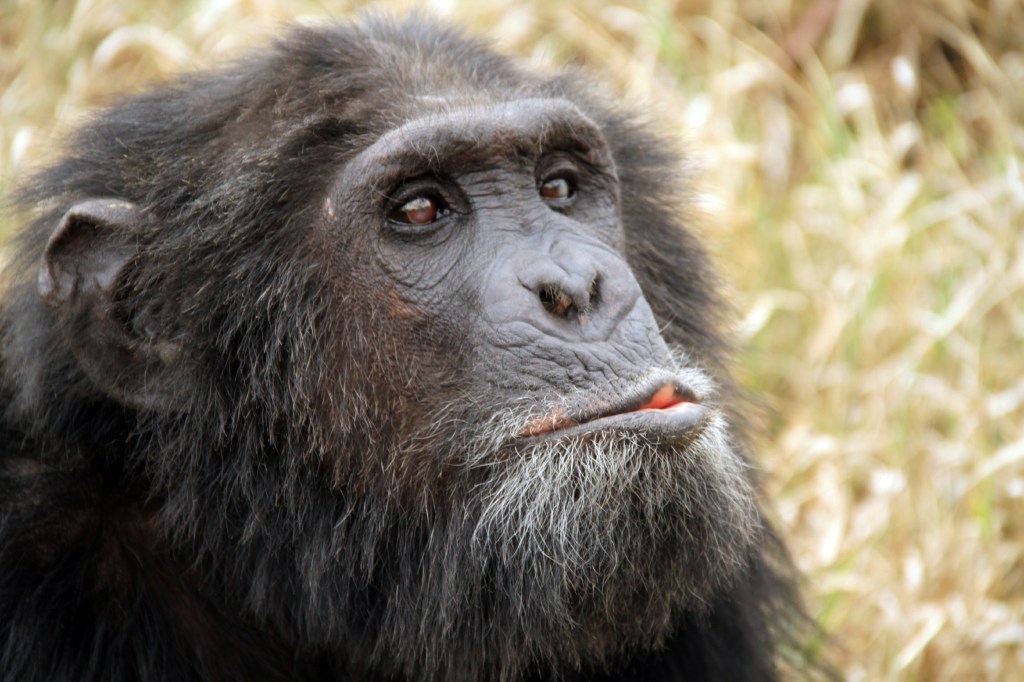
Chimpanzees are not native to Kenya — which makes Ol Pejeta the only place in the country to see them. The Sweetwaters Chimpanzee Sanctuary was established in 1993, when a sanctuary in war-torn Burundi had to close and Ol Pejeta took in its chimps, in partnership with the Kenya Wildlife Service and the Jane Goodall Institute. It gives lifelong refuge to chimps rescued from the illegal pet trade and other trauma across West and Central Africa.
The sanctuary’s own beginning is a rescue story. It opened to take in three orphaned chimpanzees evacuated from Burundi during that country’s civil war; more soon followed, many confiscated from the pet and bushmeat trades and arriving with serious injuries. Today it gives lifelong refuge to more than 35 chimpanzees, living in two groups on either side of the Ewaso Nyiro River, and is a chartered member of the Pan African Sanctuary Alliance.
The Big Five and the wider wildlife
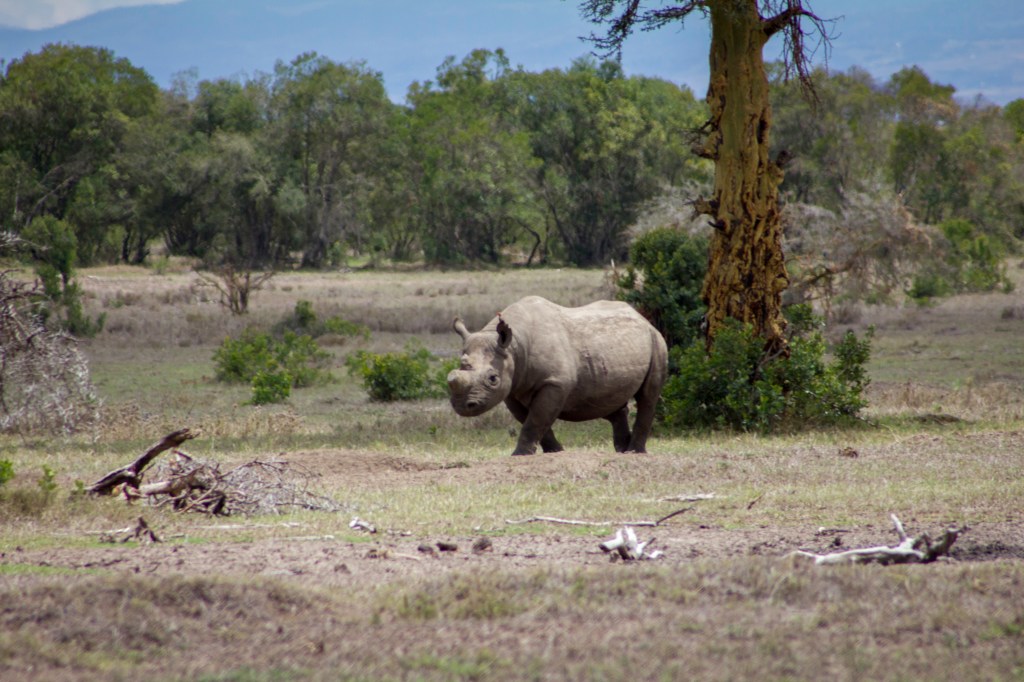
Beyond the headline rhinos, Ol Pejeta is a serious safari destination. It has the largest black rhino population in East Africa (it passed a milestone of 100+ eastern black rhinos in 2013) and protects them so well that rhino sightings are among the most reliable in Kenya. Lions roam the full conservancy and some are fitted with tracking collars to help rangers monitor the prides — which is why lion tracking is offered as a guest activity.
Around 80 lions live on Ol Pejeta, and some prides wear radio collars that feed the conservancy’s Ecological Monitoring Department and the wider Laikipia Predator Project. It’s real science you can join: on the lion-tracking activity, guests help locate a collared pride and record what they find.
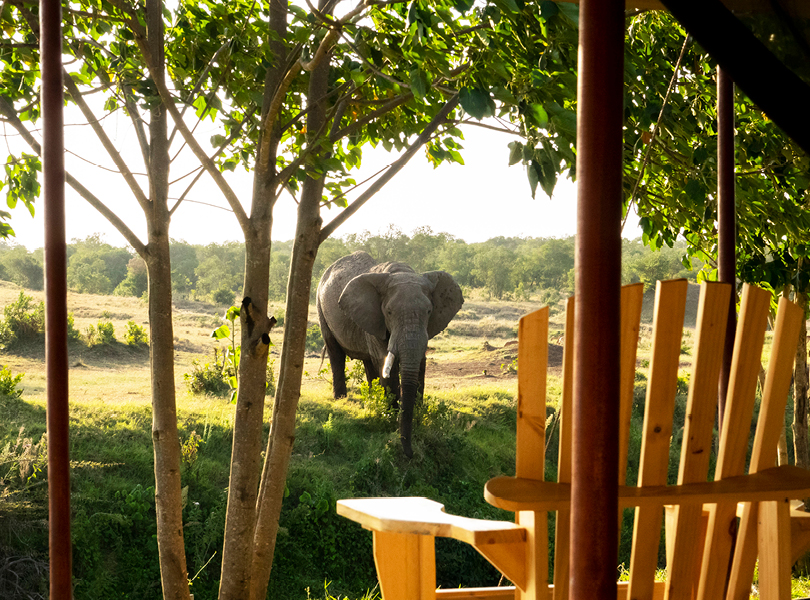
The Endangered Species Enclosure is home to Grevy’s zebra and Jackson’s hartebeest, and there’s Baraka, a much-loved blind black rhino who lives in his own enclosure and can be visited. Add elephant, buffalo, leopard, cheetah, hippo and a huge birdlife, all set against Mount Kenya on a clear morning, and you have an exceptional, varied game-viewing destination.
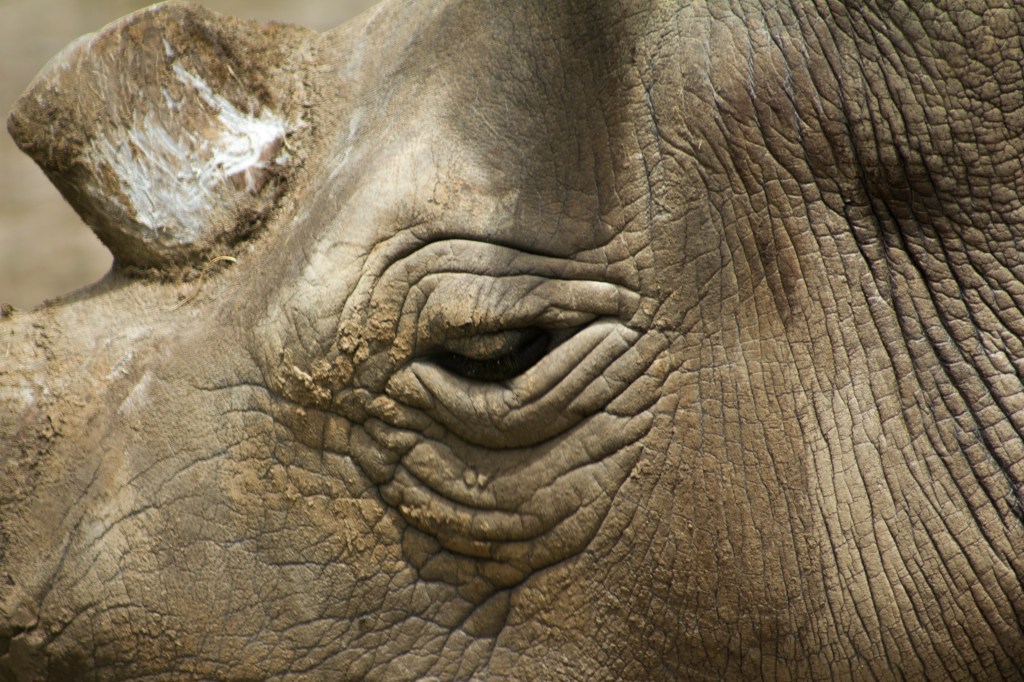
Baraka’s own story is why he’s so loved. Born on Ol Pejeta to a mother named Carol, he lost his right eye in a territorial fight in 2008 and his left to cataracts, leaving him completely blind and unable to survive in the wild. He now lives safely in the Endangered Species Enclosure as an ambassador for his critically endangered kind — and visitors can meet and hand-feed him.
Keeping them alive: inside a rhino fortress
That wildlife thrives because Ol Pejeta is, quietly, one of the best-protected places in Africa. Its black rhinos have grown from just a handful in the late 1980s to the largest population in East Africa — the 100th was born here in 2013, making it a “Key 1” population, one of only eight rhino sanctuaries in Africa to hold that status.
Keeping them safe takes a small army: a 24-hour electrified perimeter fence, mobile armed patrol teams (roughly one rhino-patrol team for every 14 km² of the core area), a light surveillance aircraft and, since 2013, drones with thermal imaging. At its heart is a celebrated K9 unit — bloodhounds that track human scent, and Belgian Malinois trained to follow trails, detect ivory and weapons, and apprehend suspects.
One of the cleverest touches is the boundary itself. Special low-post game corridors let elephants, antelope and big cats step or jump across and roam freely in and out of the conservancy — while rhinos, which can’t, stay safely inside, away from the poaching frontiers beyond.
An unusual model: cattle, community and conservation
Ol Pejeta is also a working cattle ranch — and that’s by design. It runs the world’s largest single herd of pure Boran cattle (around 6,500 head), alongside Ankole and Jiddu breeds. Rather than competing with wildlife, the cattle are an ecological tool: penned overnight in mobile, predator-proof bomas, they leave behind nutrient-rich grazing “hotspots” that wild herbivores seek out, while beef sales add vital income.
That mix matters, because Ol Pejeta is one of very few conservancies that funds almost all of its running costs (around US$6 million a year) from its own tourism and farming revenue — and reinvests it. Its community programmes have channelled millions into neighbouring schools, water, health and roads, and a digital-education initiative has reached thousands of local students. Visiting genuinely pays for all of it.
Things to do
Your entry fee includes access to the Sweetwaters Chimpanzee Sanctuary, Baraka the blind rhino, the Morani Information Centre, the Endangered Species Enclosure and a nature trail. On top of that, signature paid activities (typically around US$70 each) include:
- Meet the Northern White Rhinos — up-close with Najin and Fatu.
- Lion tracking — join rangers using telemetry to locate a collared lion.
- Night game drive — for nocturnal species you won’t see by day (drives run 7–9pm and 9–11pm).
- Behind-the-scenes chimpanzee tour.
- Conservation talks with Ol Pejeta’s experts.
- Guided game drives in an Ol Pejeta vehicle, plus guided walks, horse rides and cycling at some lodges.
Good to know: Ol Pejeta is cashless — payment by card, M-Pesa or eCitizen only.
Getting there
By road: Ol Pejeta is about a 3–4 hour drive from Nairobi. The route to Nanyuki is tarmac, with the last ~13 km to the conservancy on a graded dirt road. Main gates include Rongai and Serat.
By air: the quickest option is a daily scheduled flight from Nairobi (Wilson Airport) to Nanyuki airstrip (operators include AirKenya and Safarilink), roughly a 45-minute drive from the conservancy. Lodges can arrange airstrip transfers. It also combines well with Samburu and Mount Kenya for a longer northern-Kenya itinerary.
Where to stay
Ol Pejeta has somewhere to stay for every budget — from the Conservancy’s own simple, affordable rooms to luxurious tented camps. The camps below kindly supplied photographs for this article, with thanks.
Choosing where to stay: from budget to five-star
Ol Pejeta covers the full spectrum, from genuinely budget-friendly beds to some of Laikipia’s most indulgent camps — and because it’s a conservancy rather than a national park, wherever you stay your money helps fund the rhinos, rangers and community programmes.
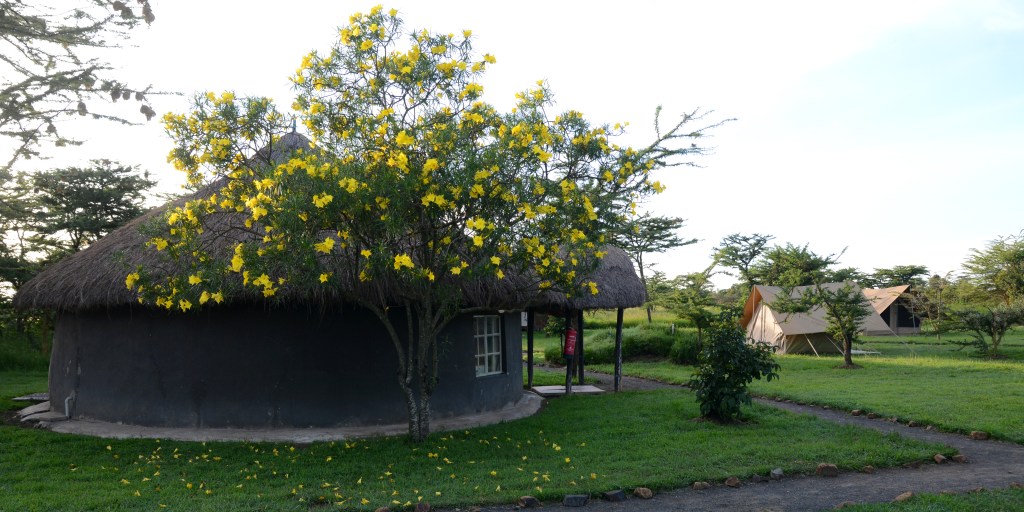
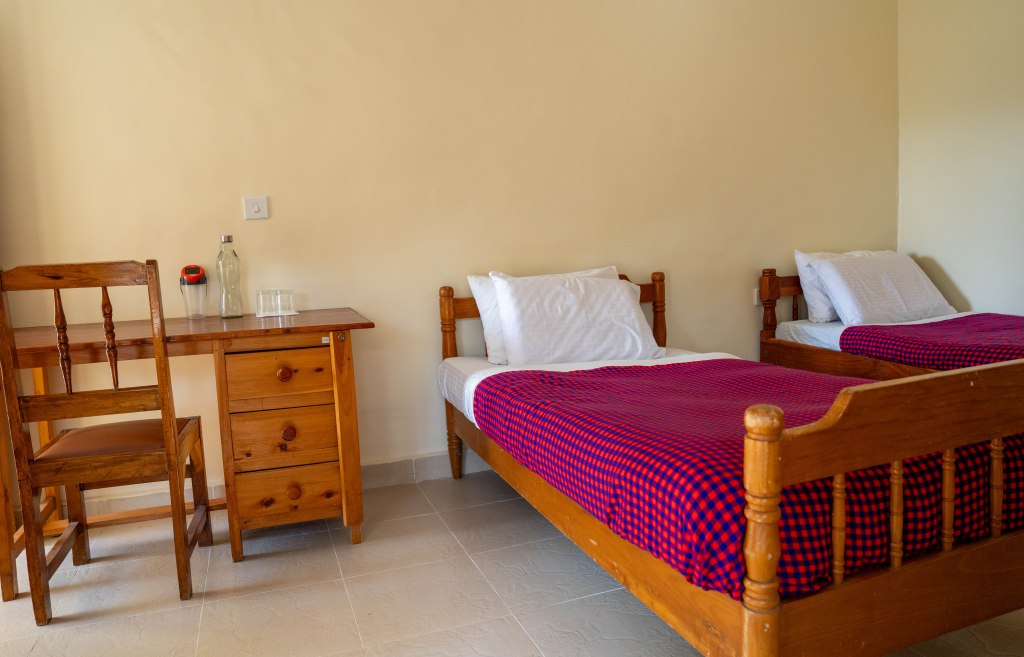
Budget & great value. The Conservancy’s own Stables is the standout: simple but comfortable single, double and twin rooms on a full-board basis at around US$70 per person per night, with all your game drives and activities on the doorstep. Self-drivers can also use the public campsites, while Ol Pejeta Safari Cottages offers superb-value, owner-run self-catering.
Exclusive-use houses. For families or groups who want a whole place to themselves, Pelican House (sleeping up to twelve beside Pelican Dam) and Ol Pejeta House can be booked self-catering or catered — private, flexible and still remarkable value.
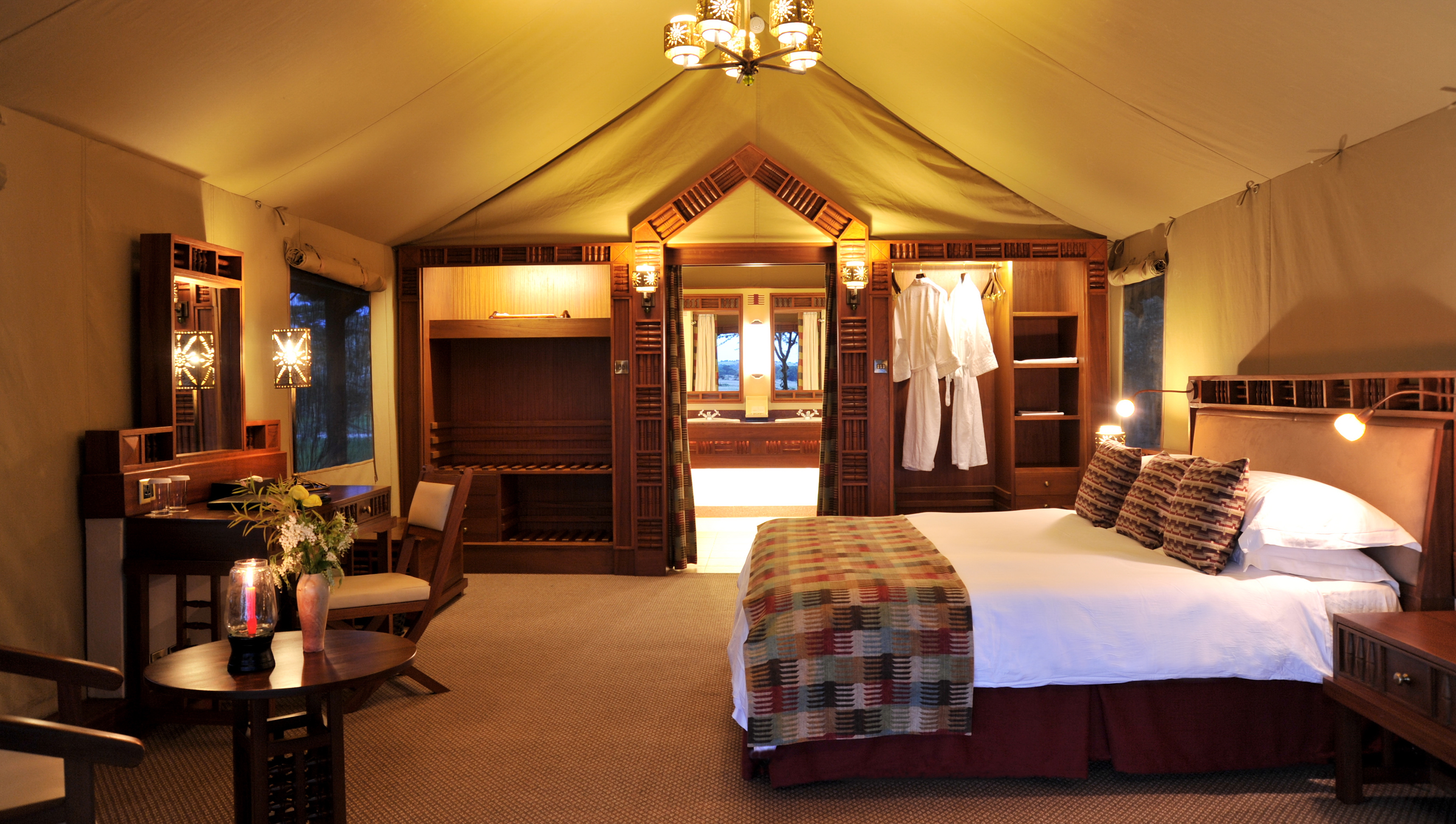
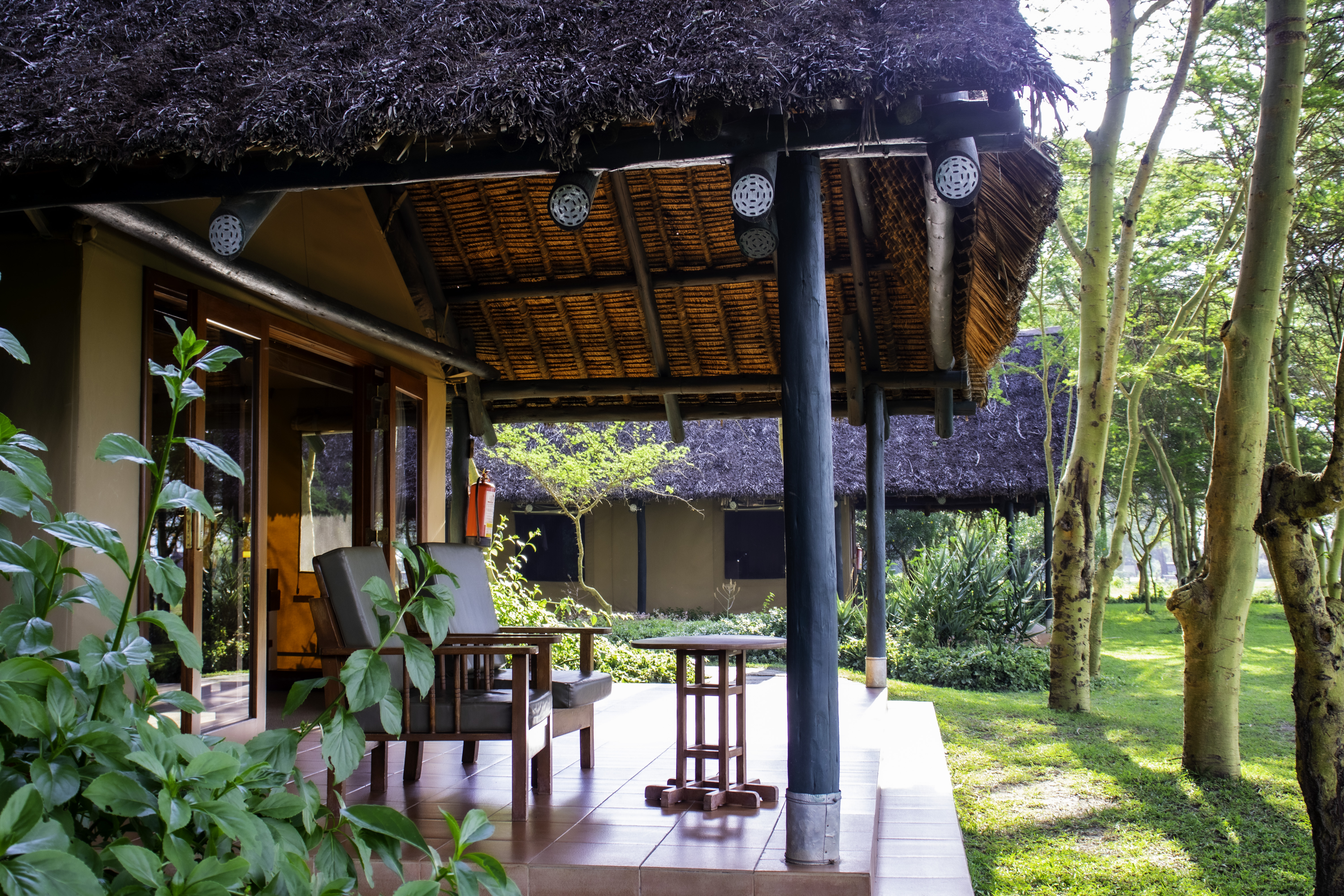
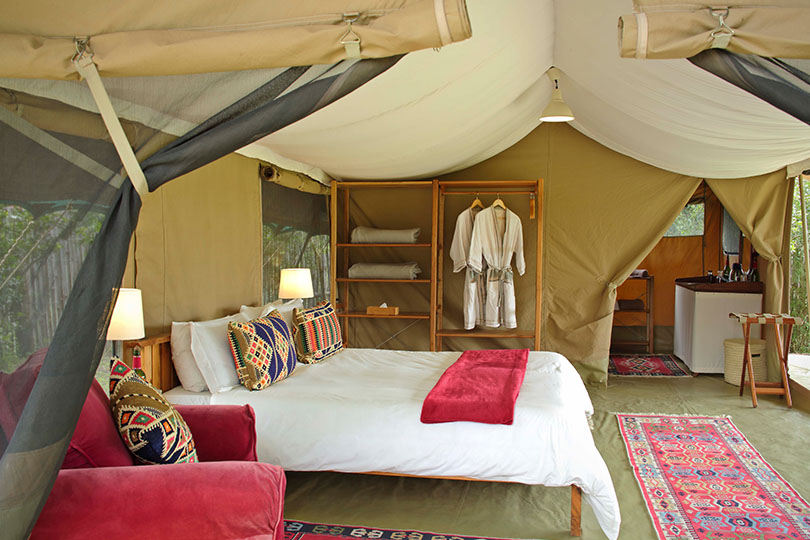
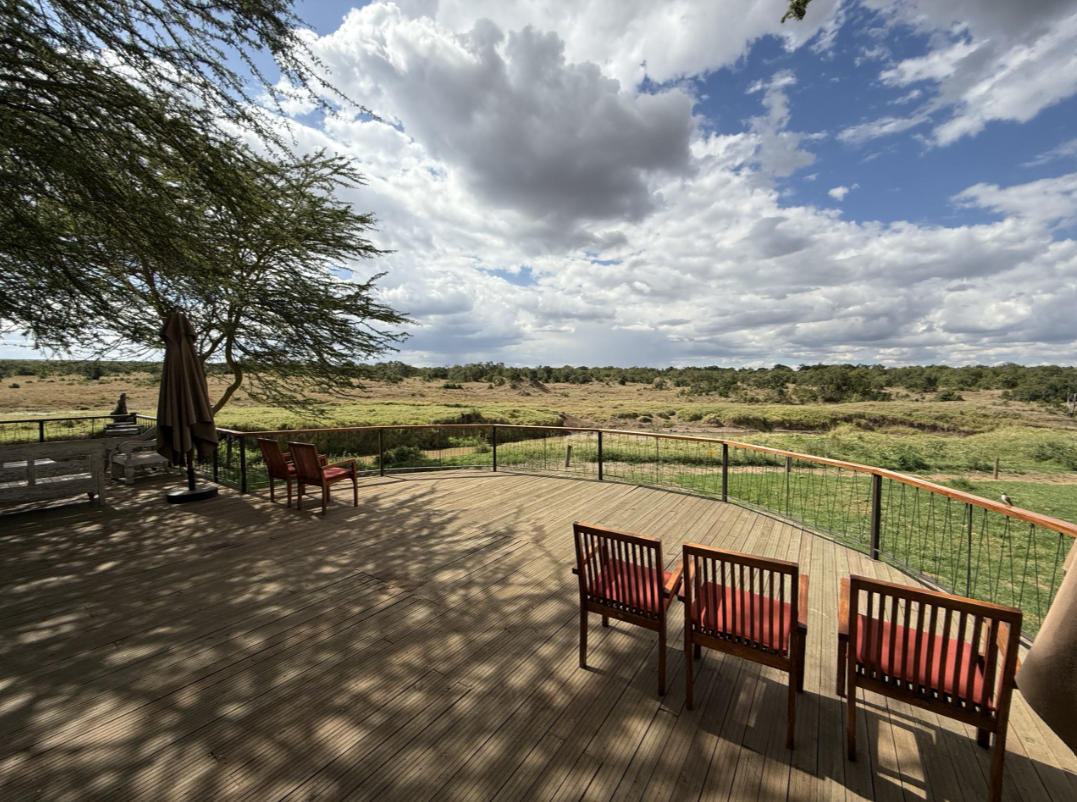
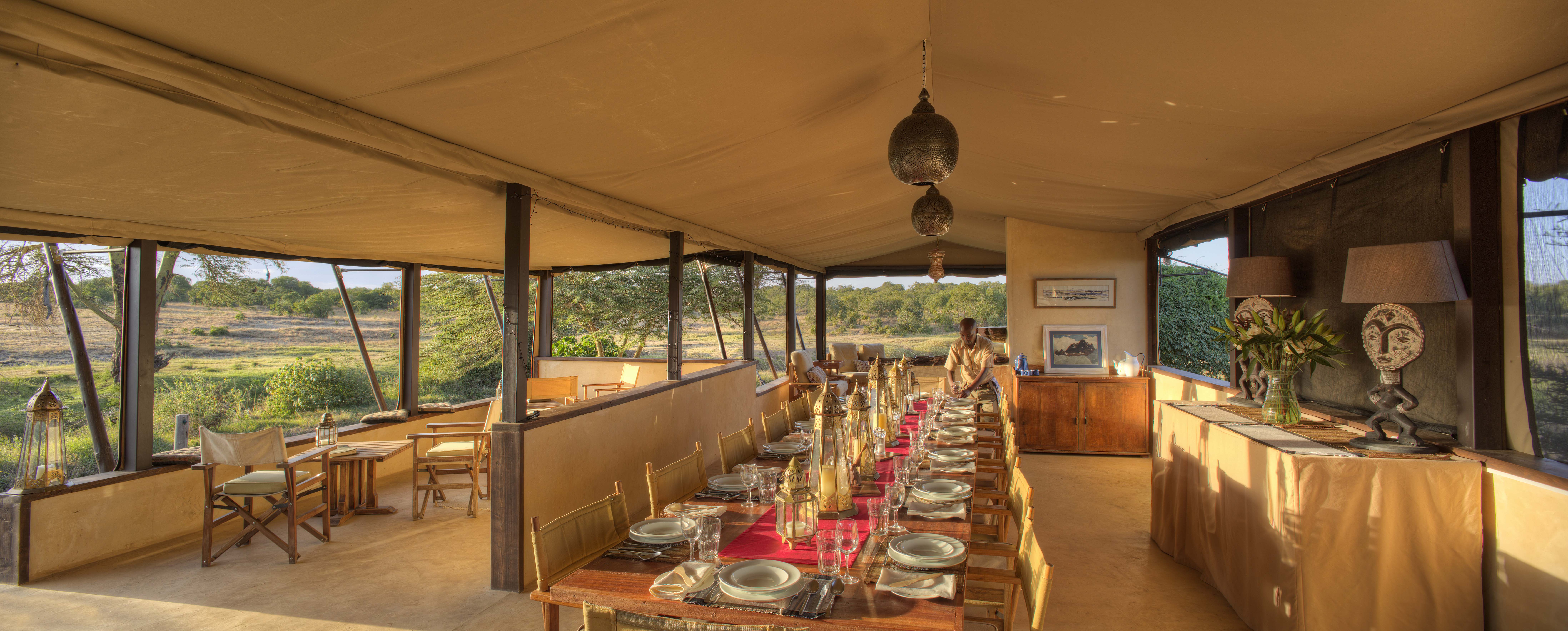
Mid-range to five-star camps. At the more indulgent end sit the classic tented camps — Sweetwaters Serena (pool, spa and a floodlit waterhole), Ol Pejeta Bush Camp, Porini Rhino Camp, The River Camp, Kicheche Laikipia and Tambarare — where all-inclusive dining, attentive service and expert guiding typically run US$400–600+ per night. Whichever you choose, you’re never far from the northern white rhinos, the chimps and the Big Five.
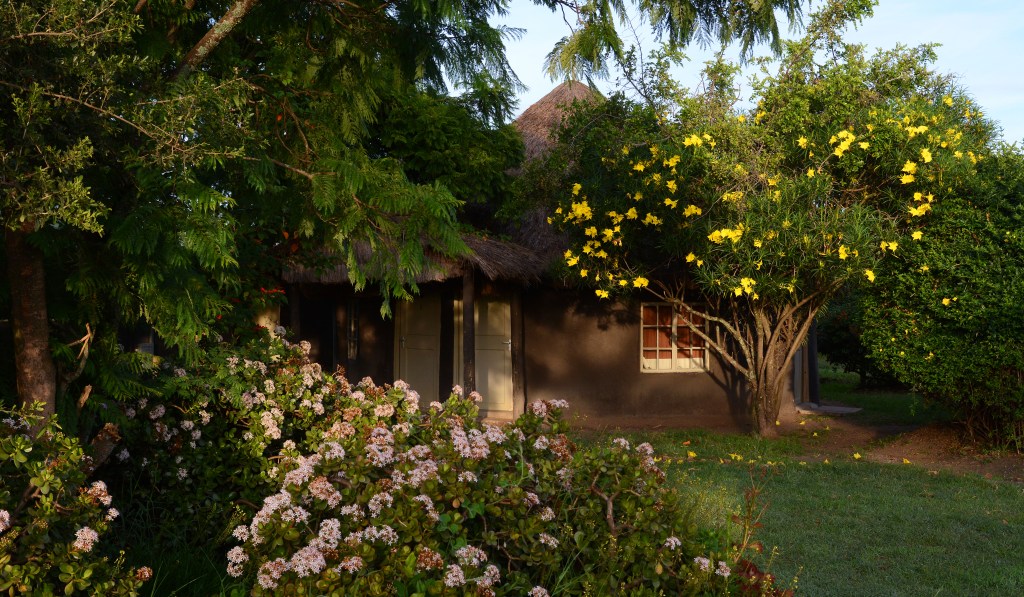
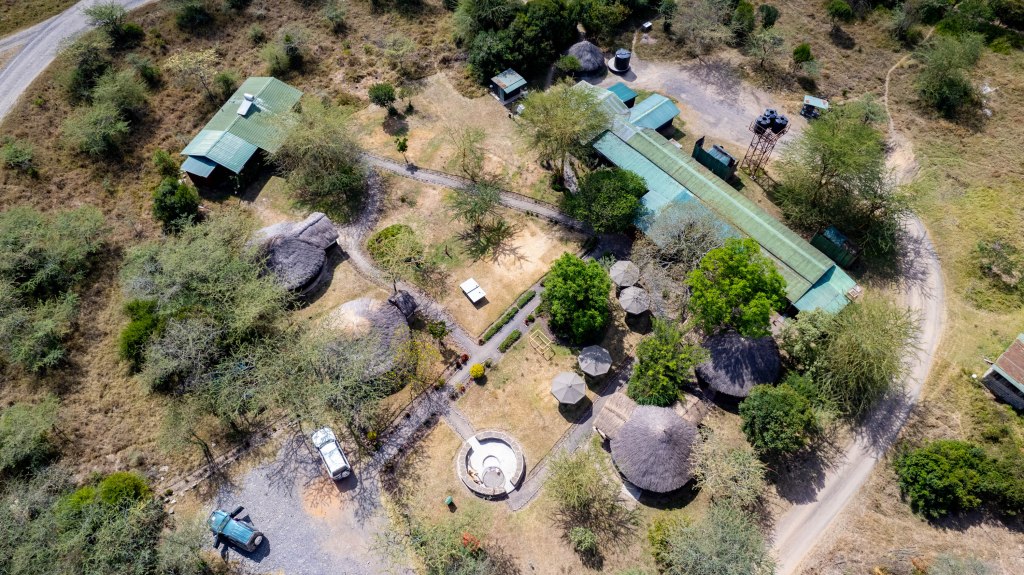
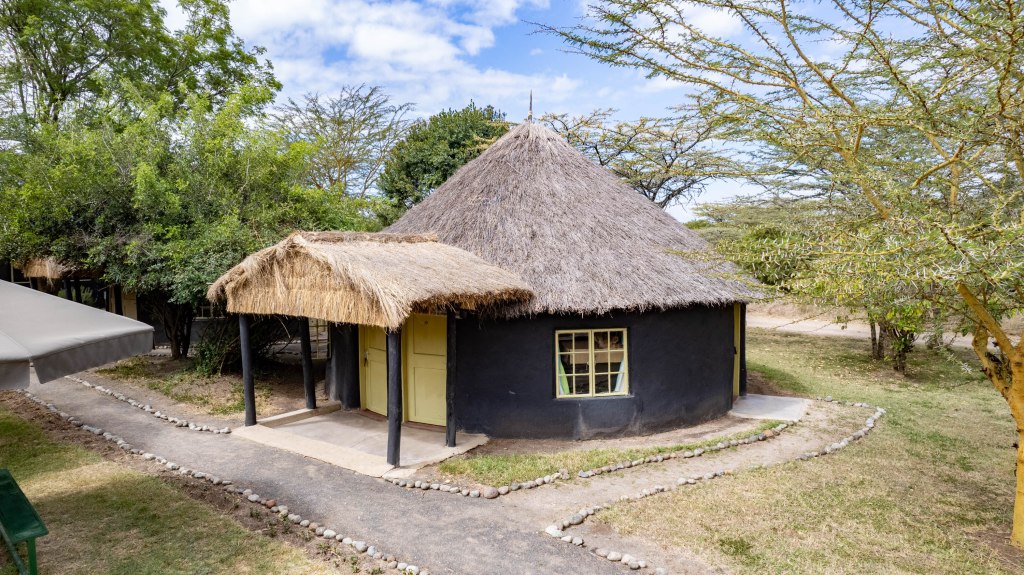
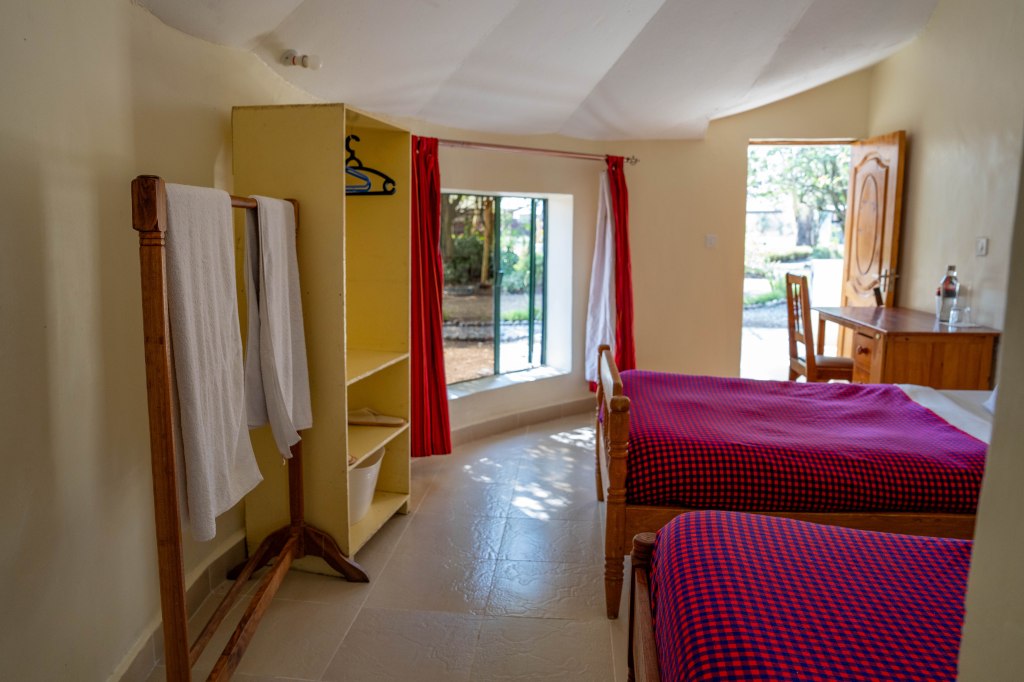
Ol Pejeta Conservancy — The Stables, River Camp & Pelican House
The Conservancy runs three of its own places to stay, and staying here puts your money straight into its conservation work. The Stables (below) is the budget star — simple, comfortable single, double and twin rooms on a full-board basis at around US$70 per person, with all the conservancy’s activities on the doorstep. Pelican House is a homely exclusive-use cottage overlooking Pelican Dam that sleeps up to twelve, self-catering or catered; and The River Camp is a more luxurious retreat with exquisite interiors and Mount Kenya views. Explore the Conservancy’s own accommodation →
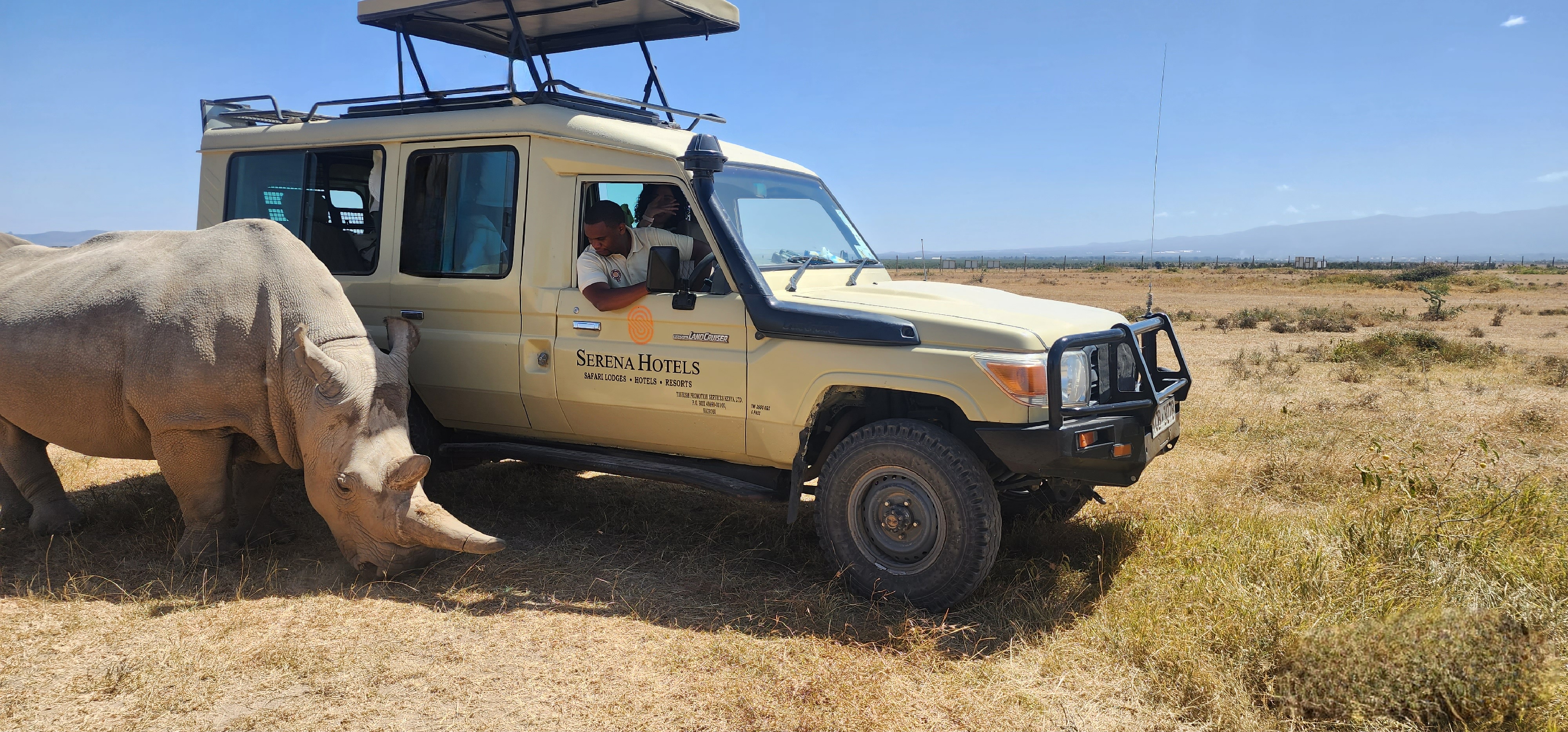
Sweetwaters Serena Camp
A well-known tented camp overlooking a floodlit waterhole, framed by Mount Kenya. Visit Sweetwaters Serena Camp →
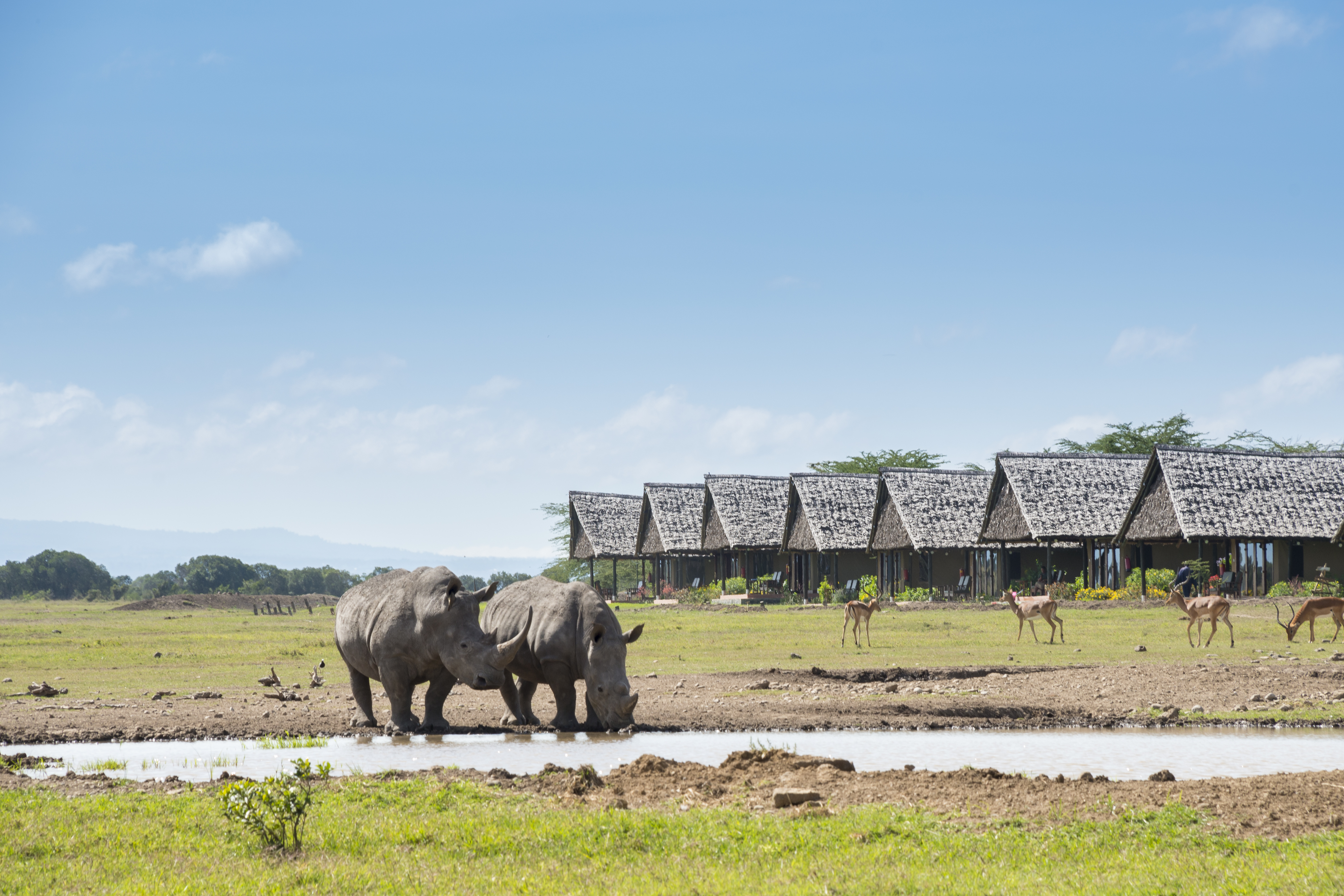
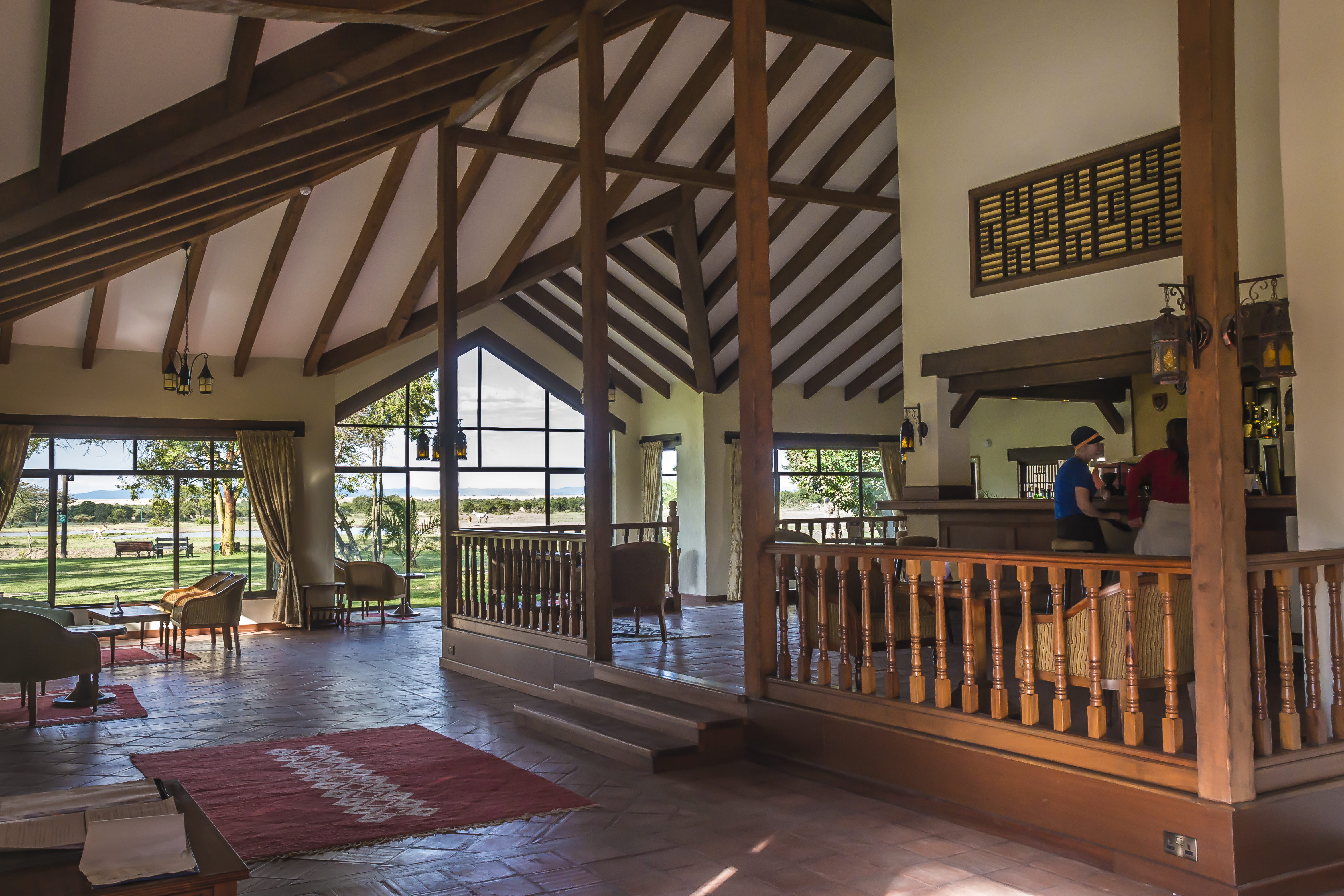
Ol Pejeta Bush Camp (Asilia)
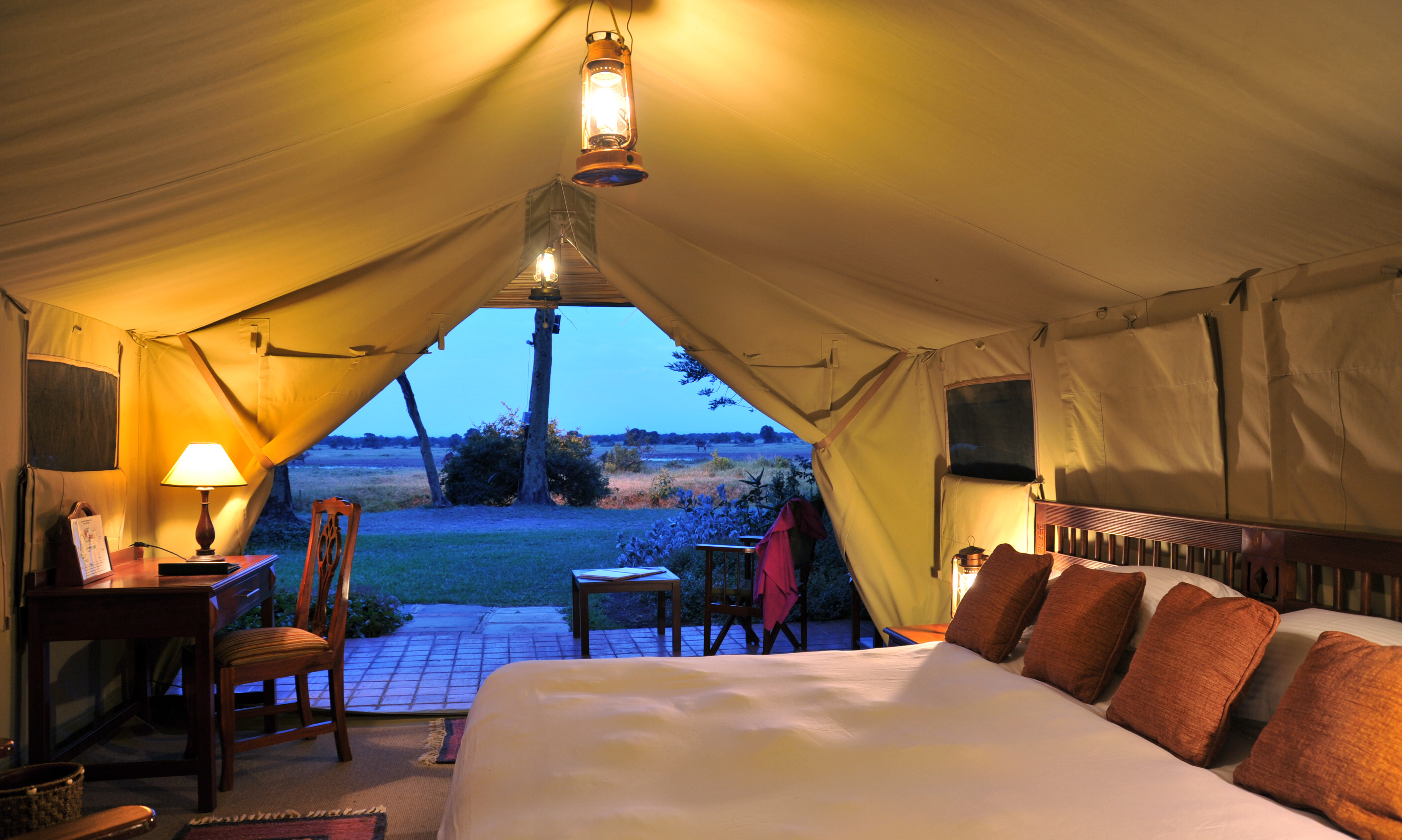
An intimate, solar-powered tented camp on the banks of the Ewaso Nyiro river. Visit Ol Pejeta Bush Camp →
Porini Rhino Camp (Gamewatchers)
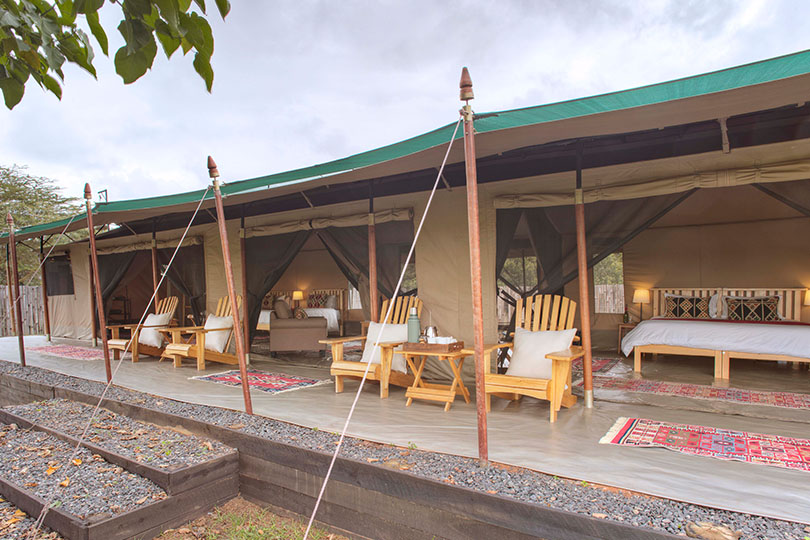
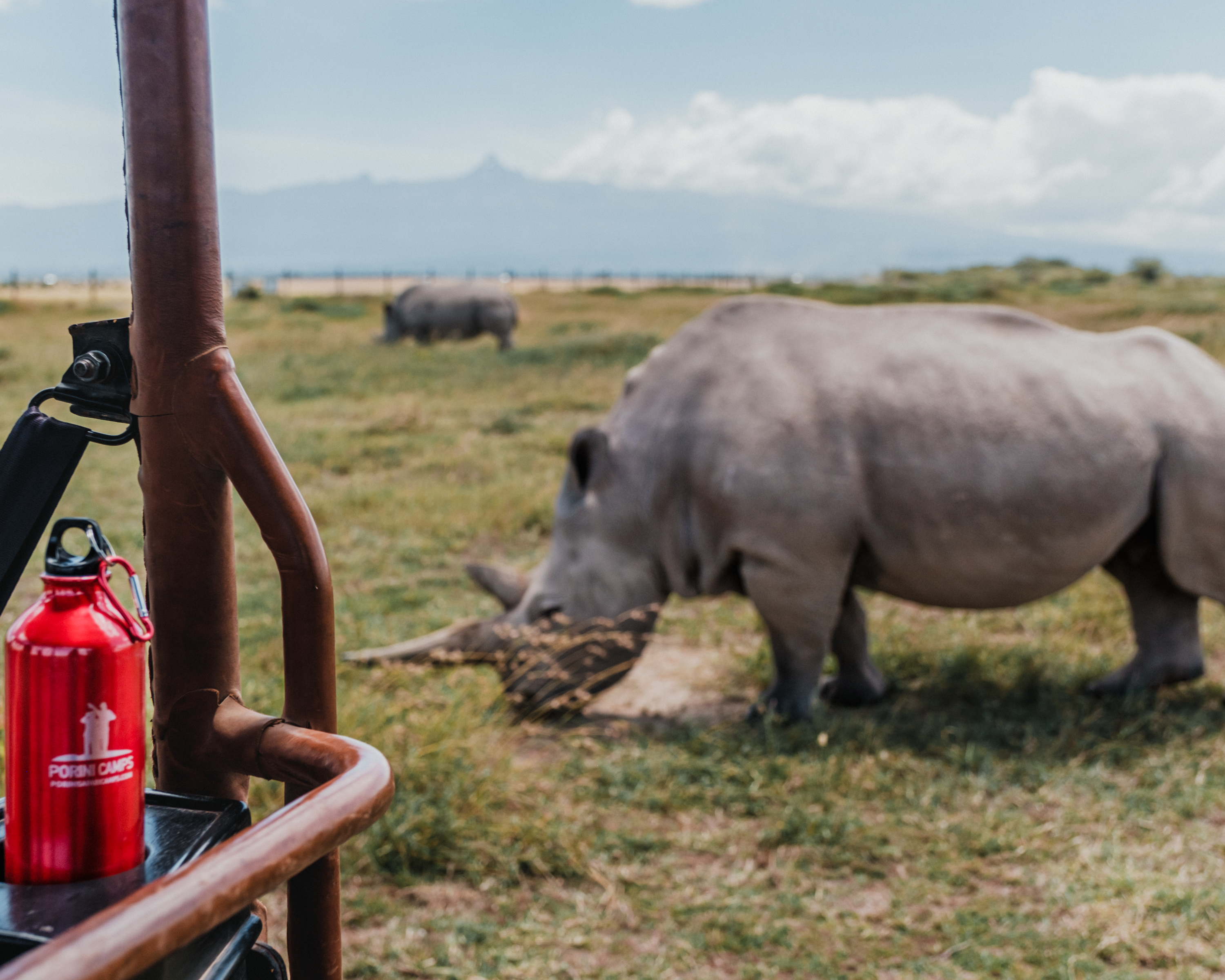
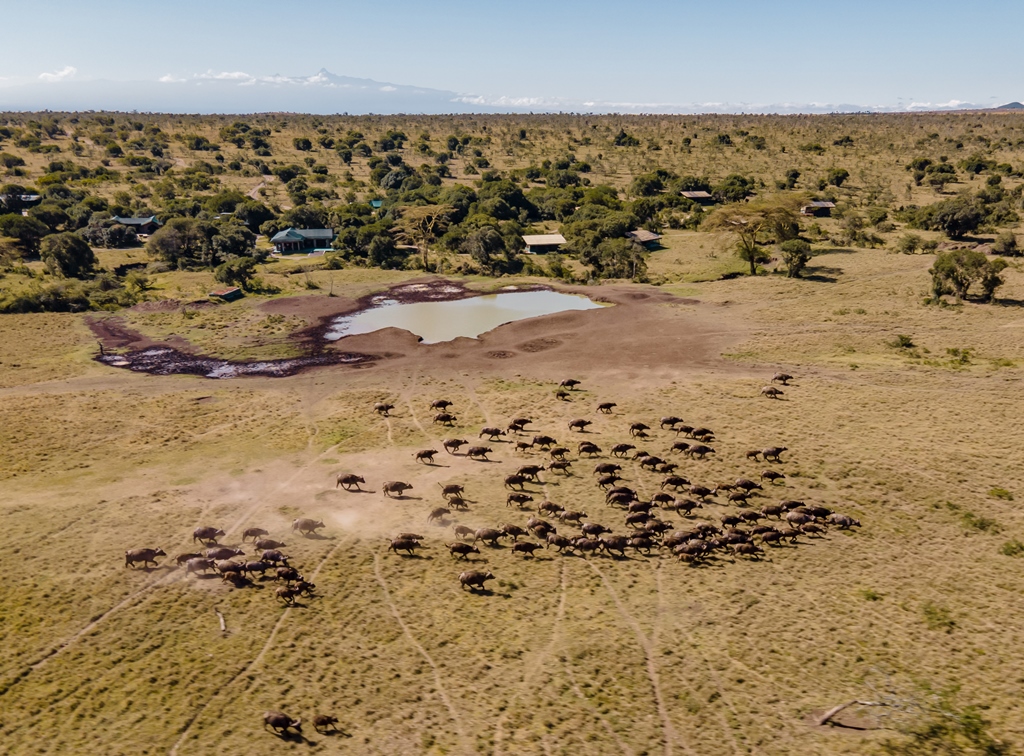
A low-impact eco-camp in a tranquil riverine setting, all-inclusive with day and night game drives. Visit Porini Rhino Camp →

Mutara Camp (JCH Group)
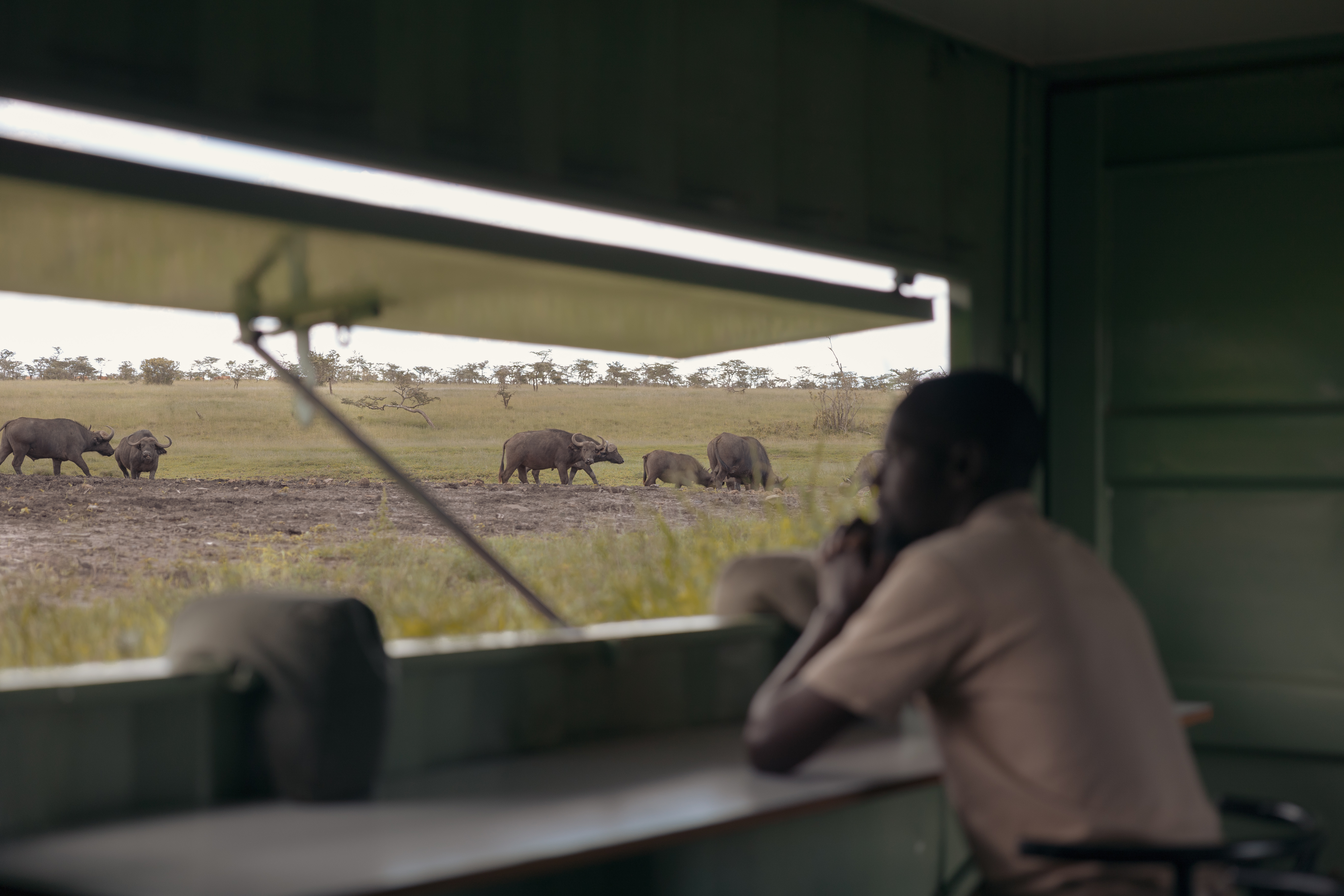
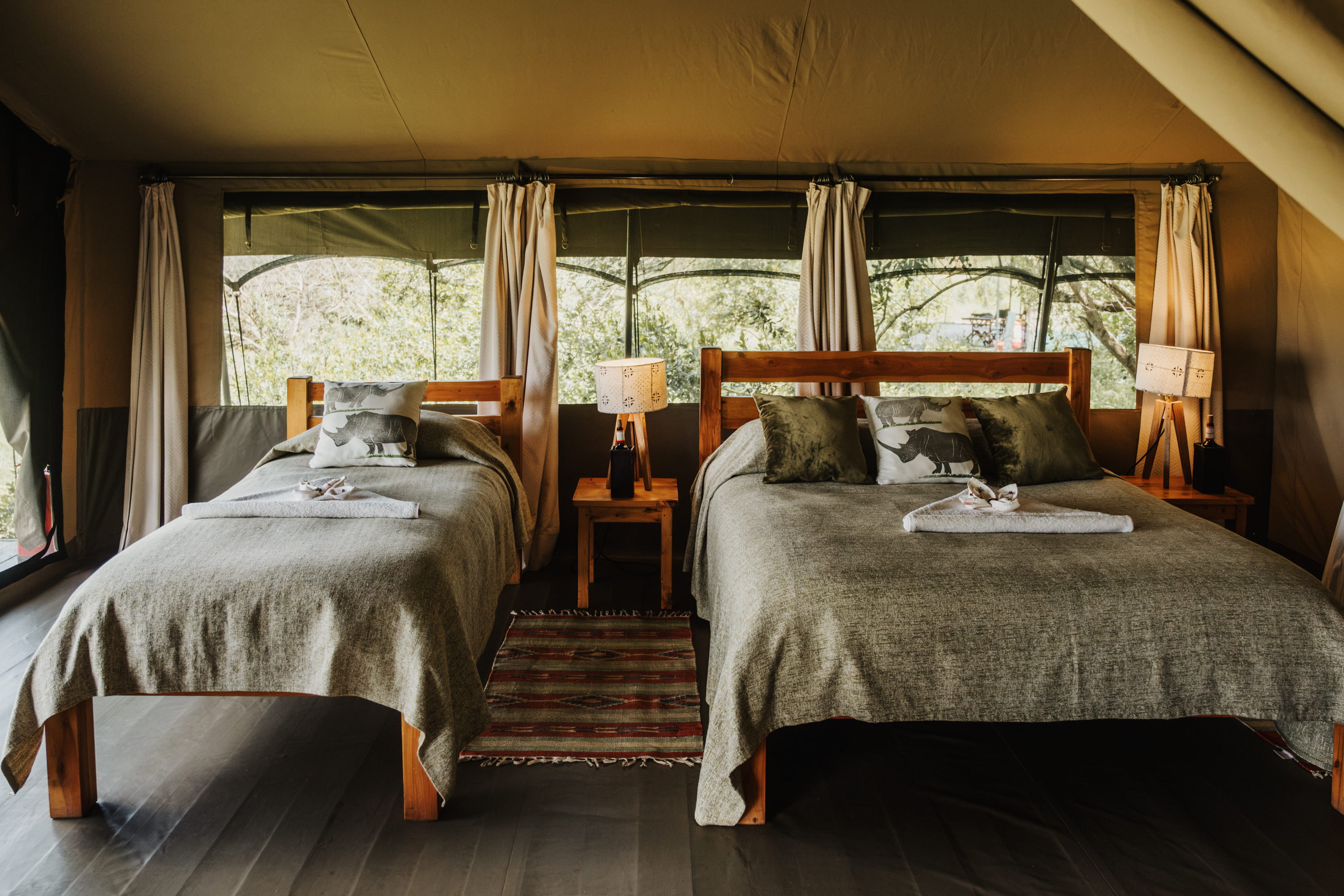
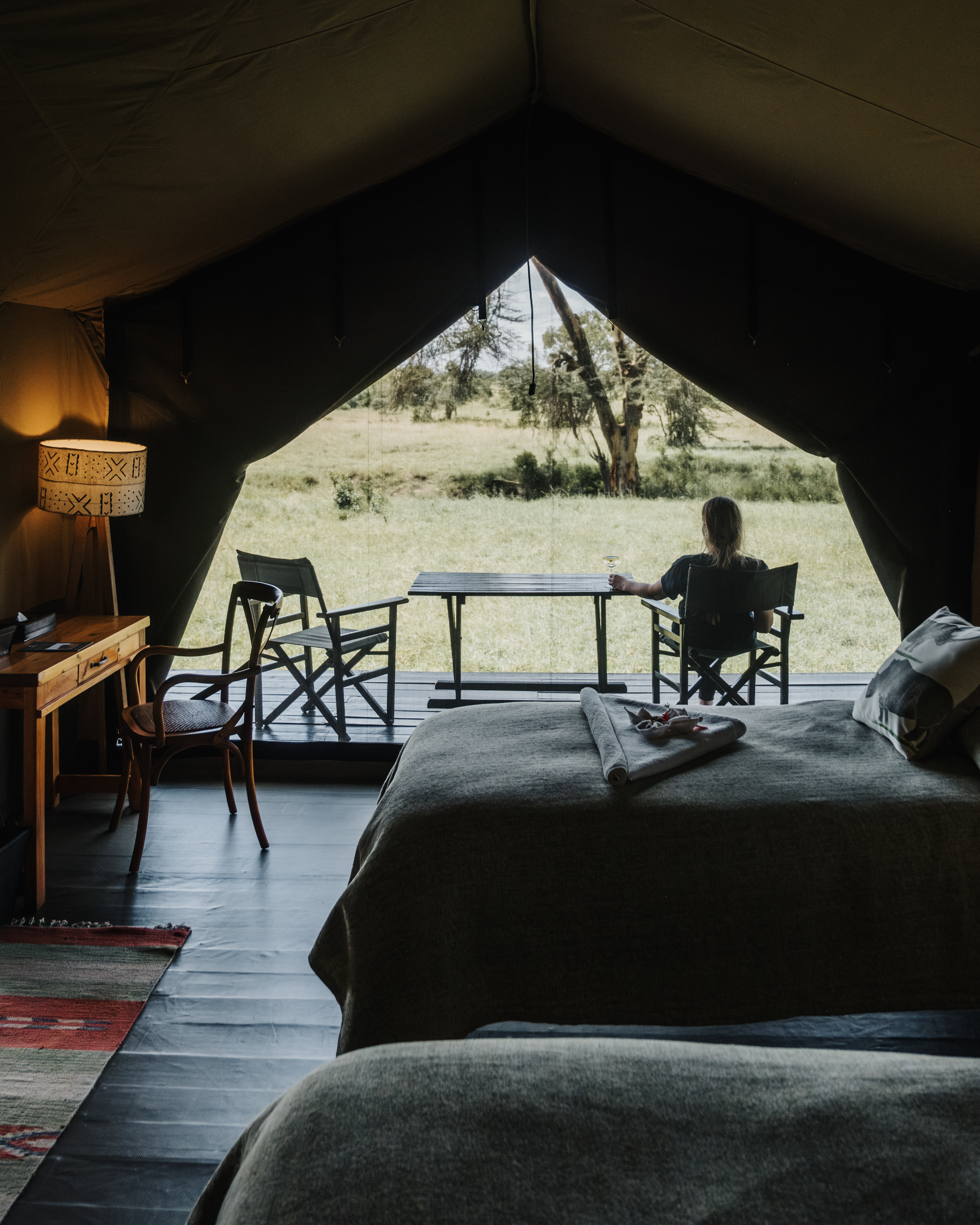
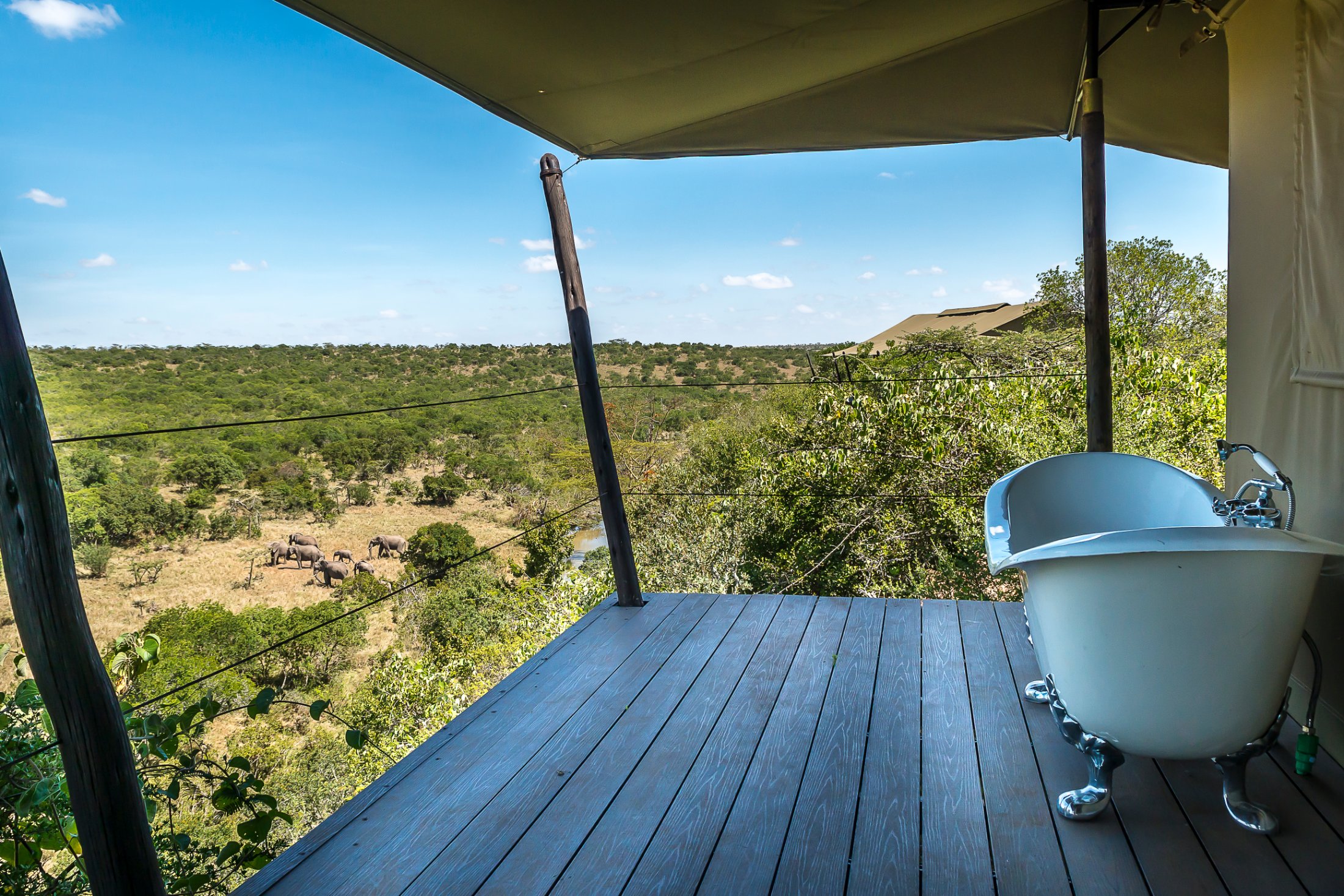
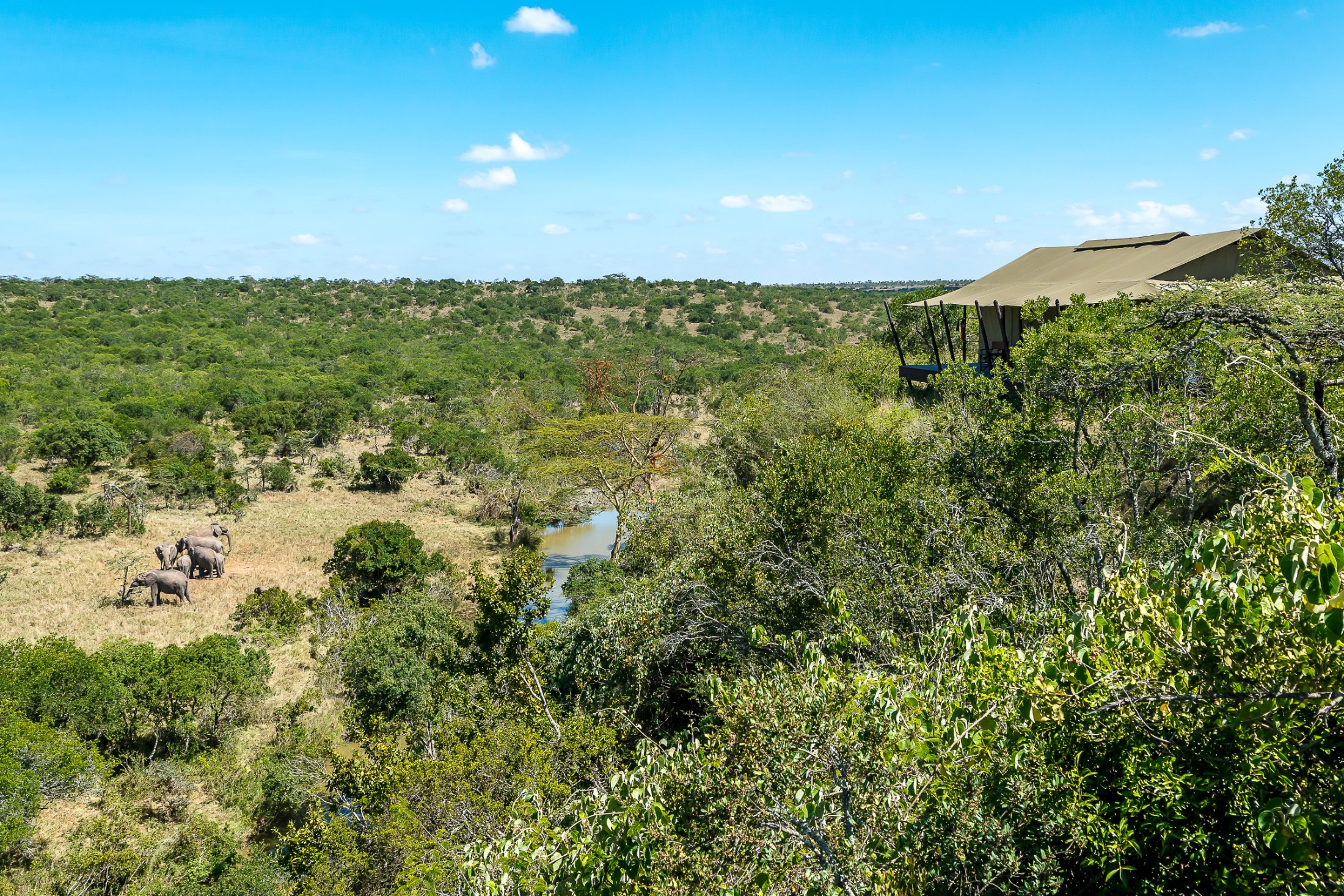
A classic tented camp on the neighbouring Mutara Conservancy, which borders Ol Pejeta — guests enjoy their own private wilderness plus easy access to Ol Pejeta’s wildlife and activities. Visit Mutara Camp →
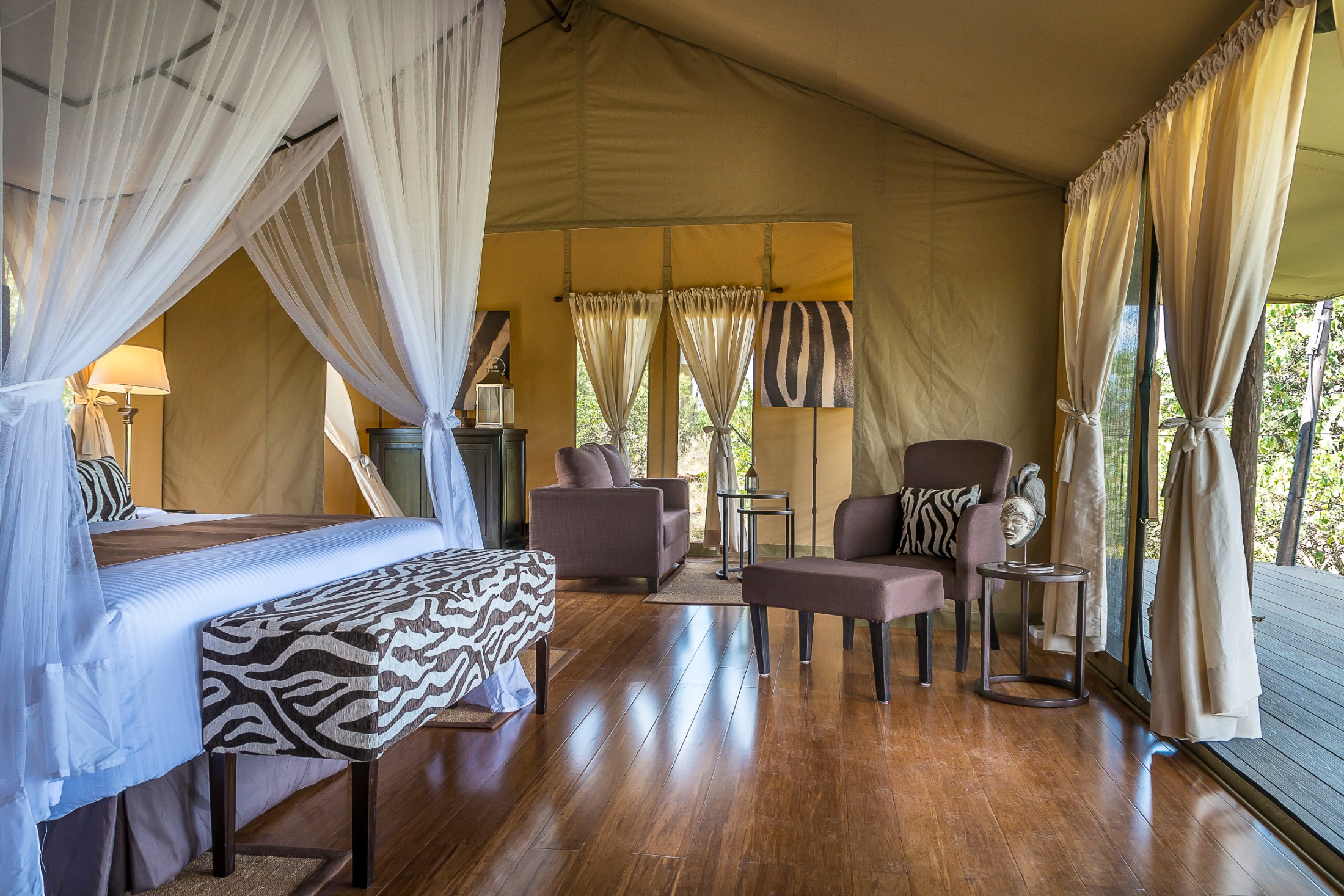
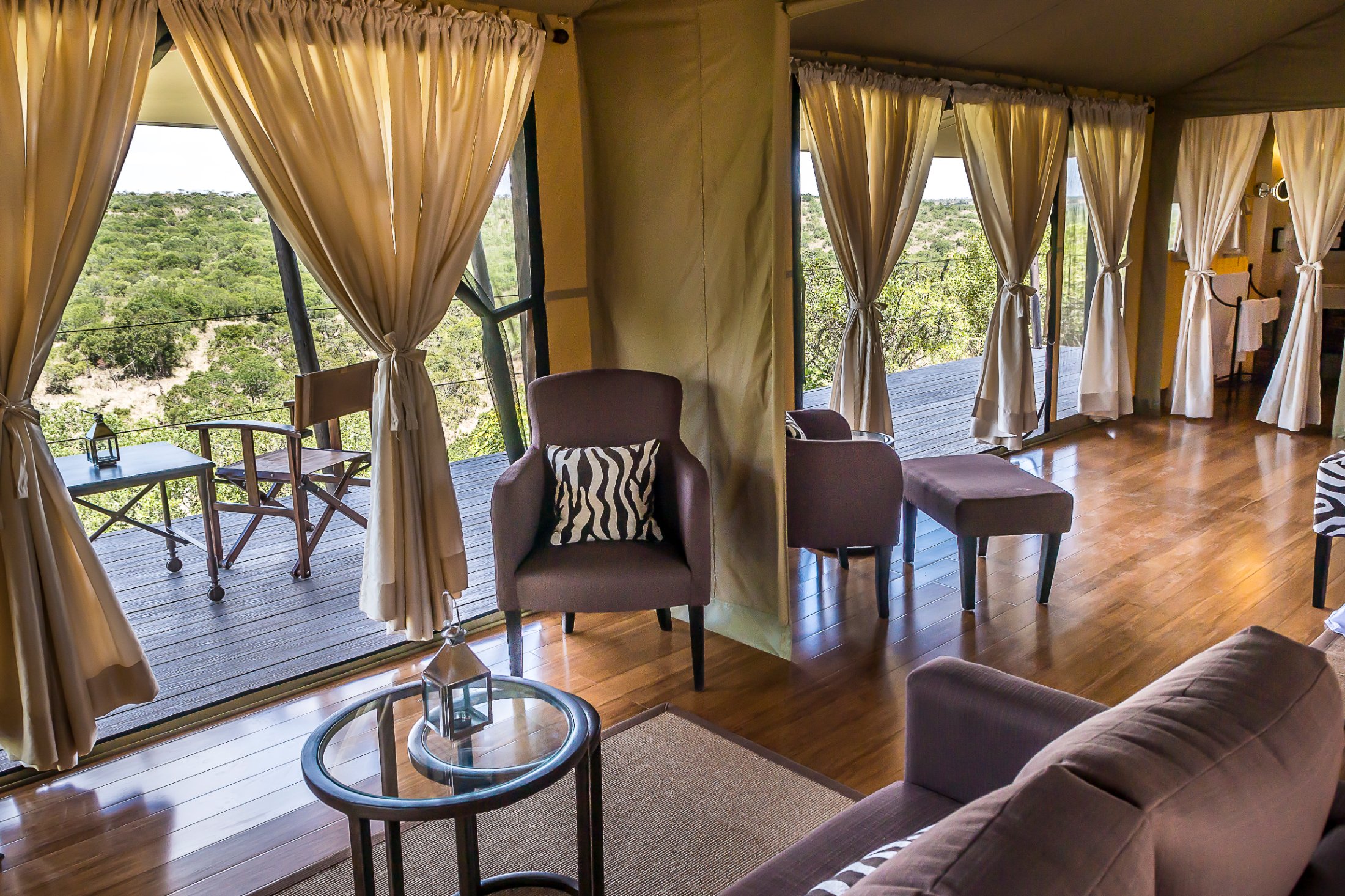
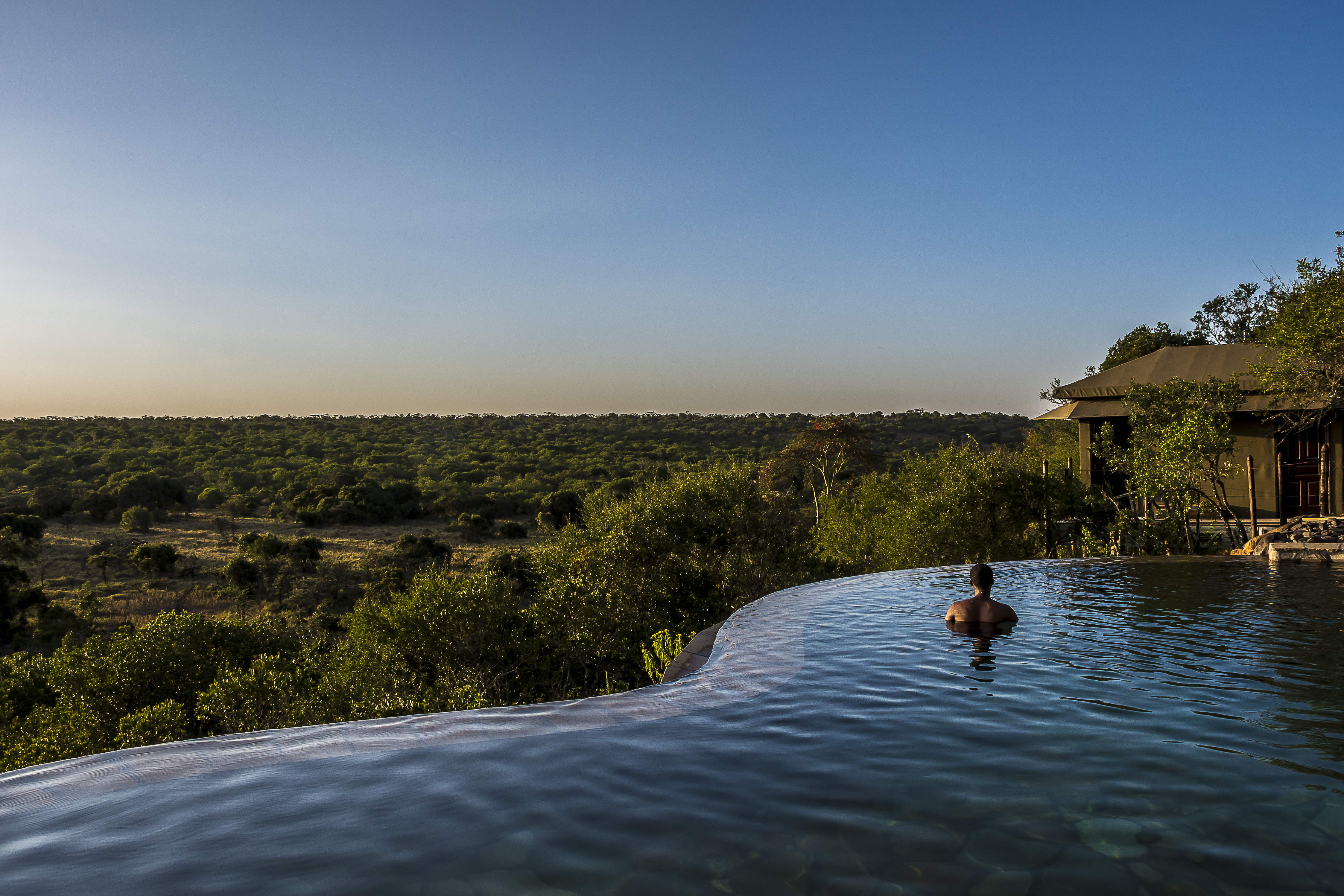
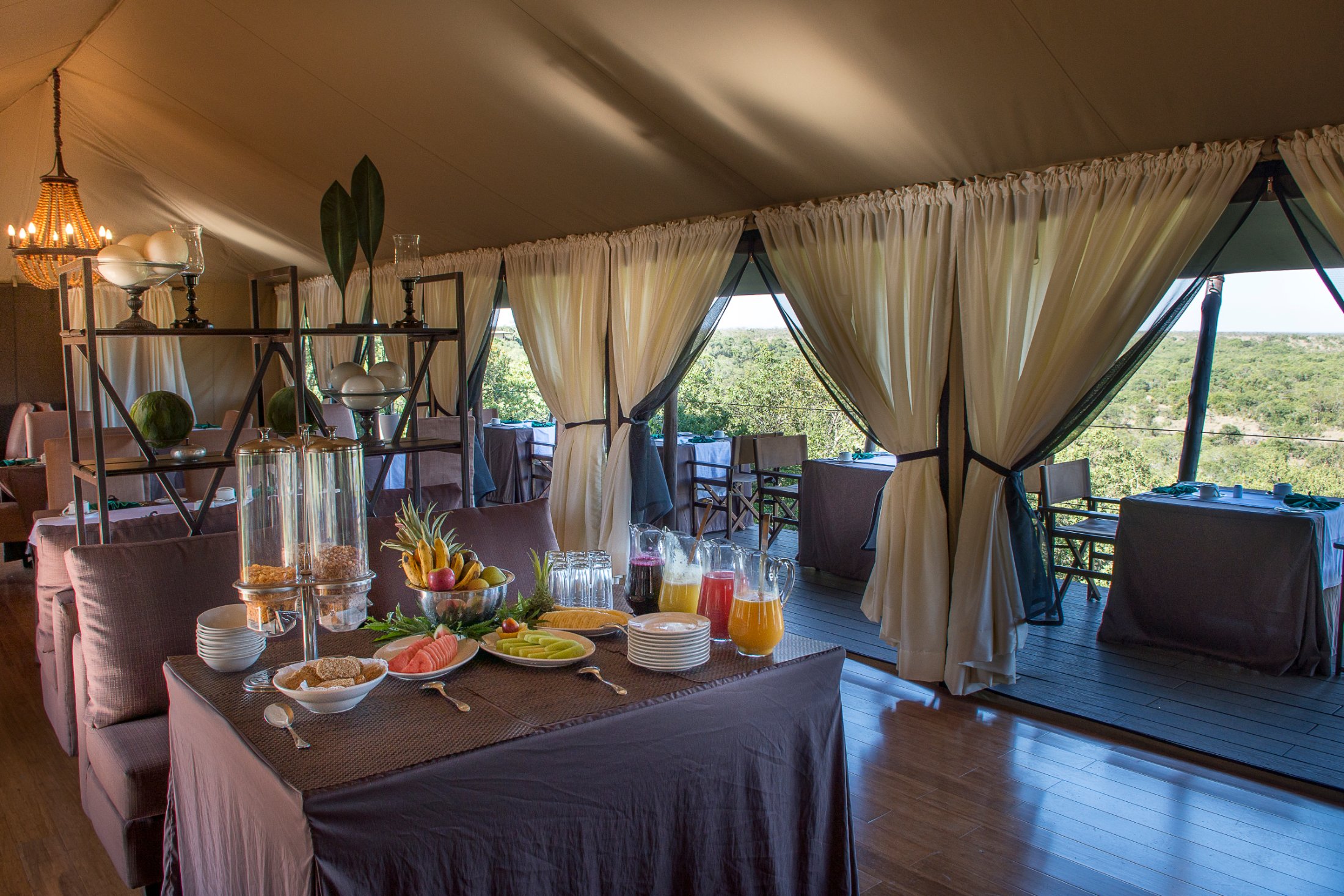
Ol Pejeta Safari Cottages
Owner-run, self-catering cottages — characterful and great value. Visit Ol Pejeta Safari Cottages →
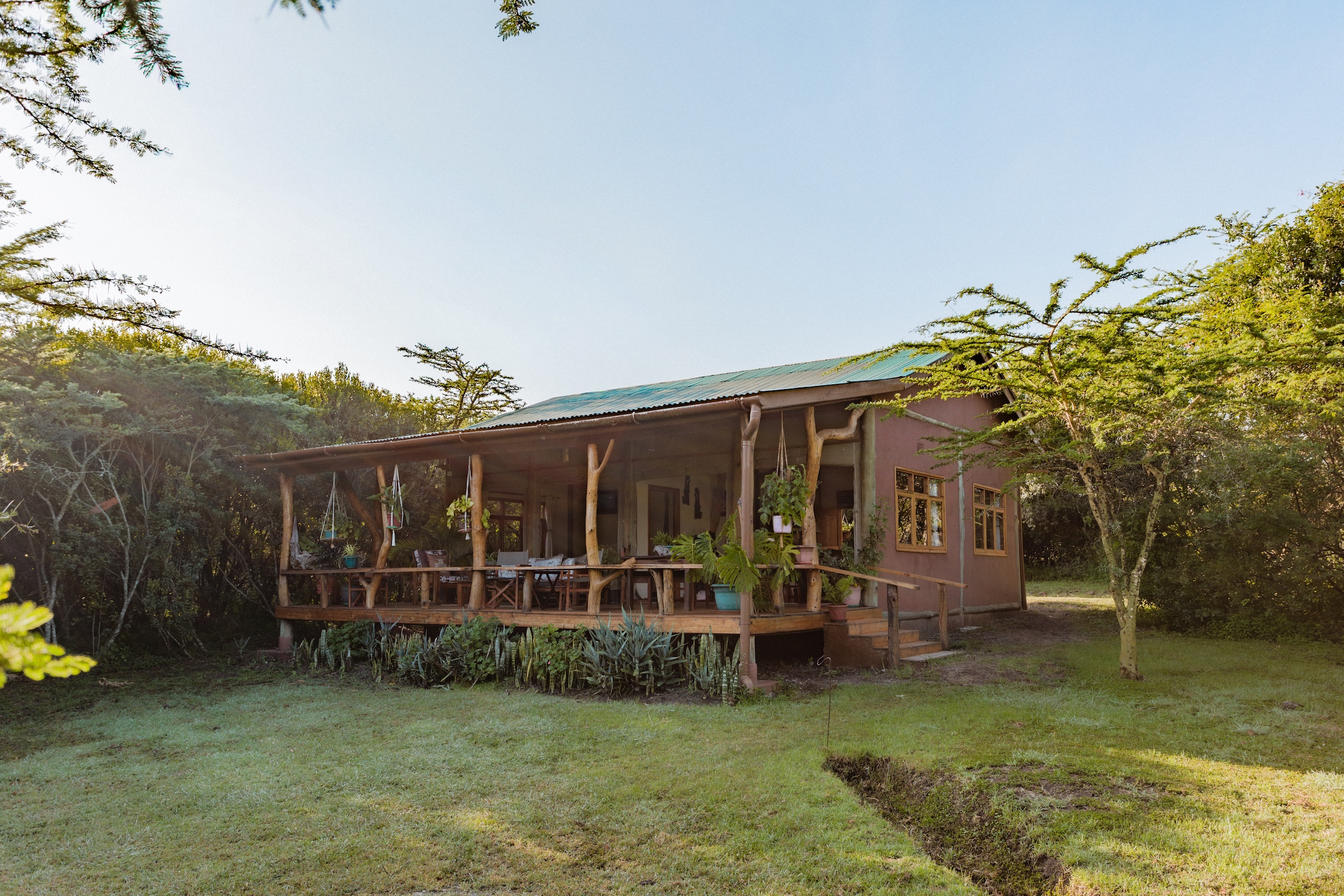
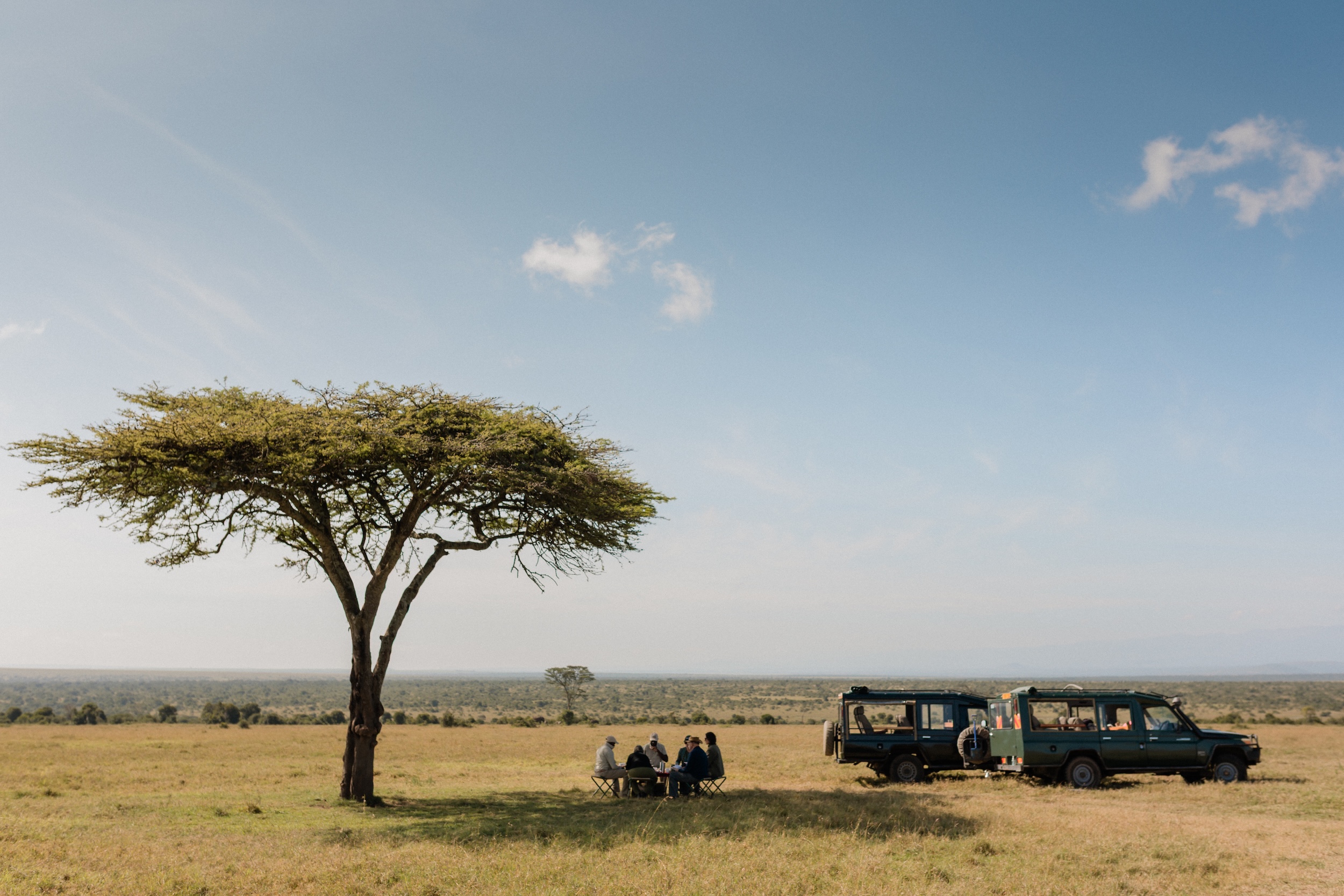
Tambarare Camp, an A&K Sanctuary
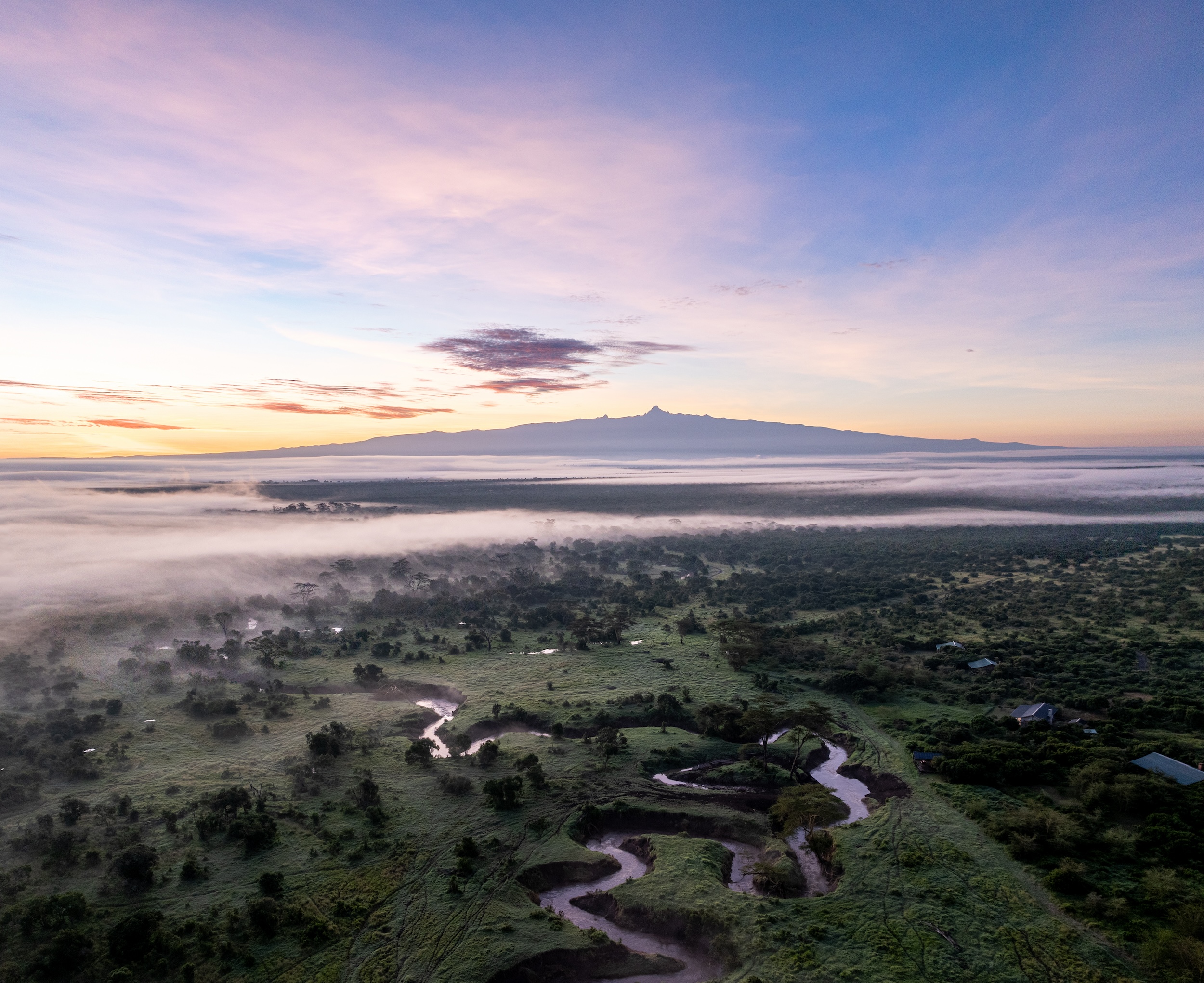
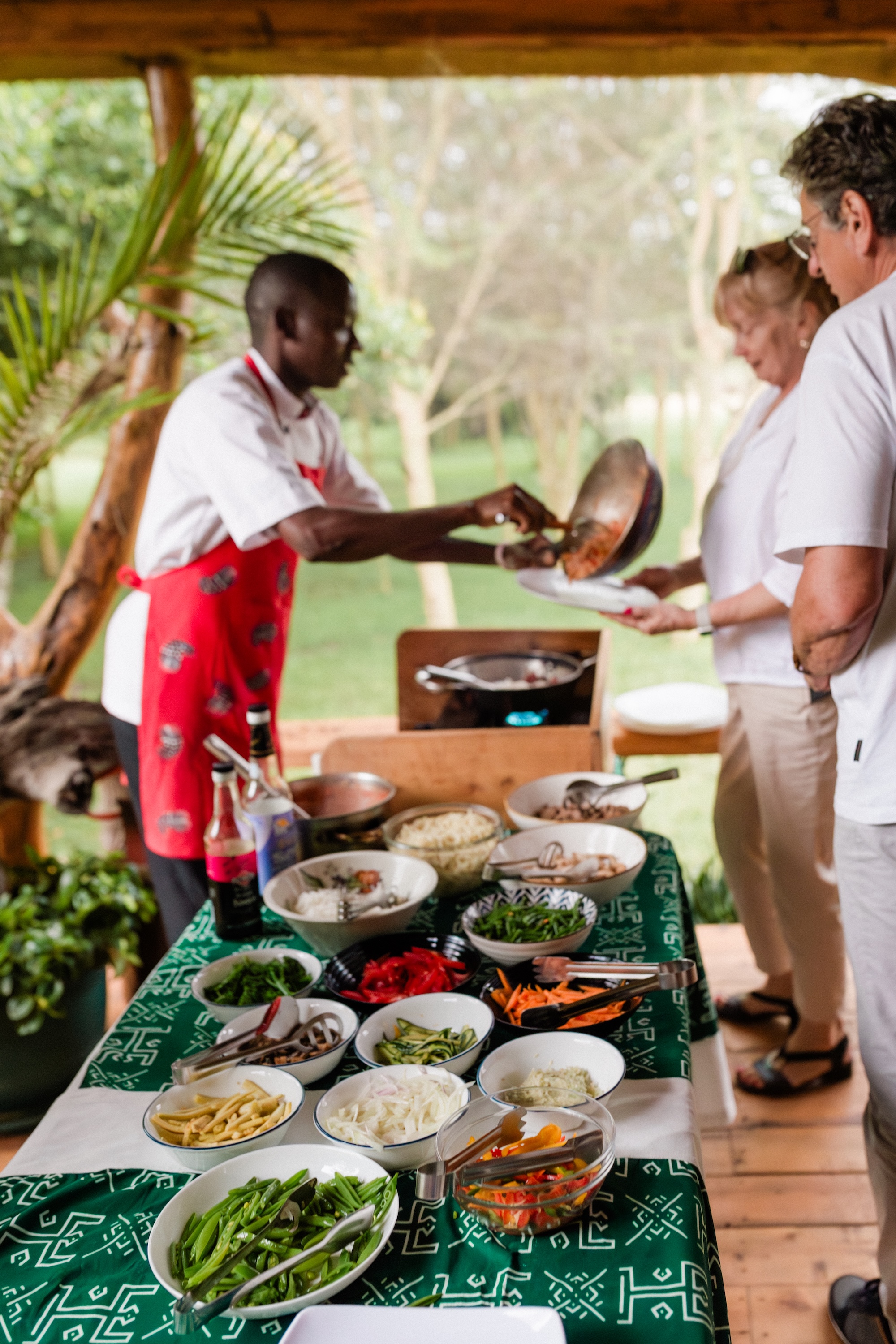
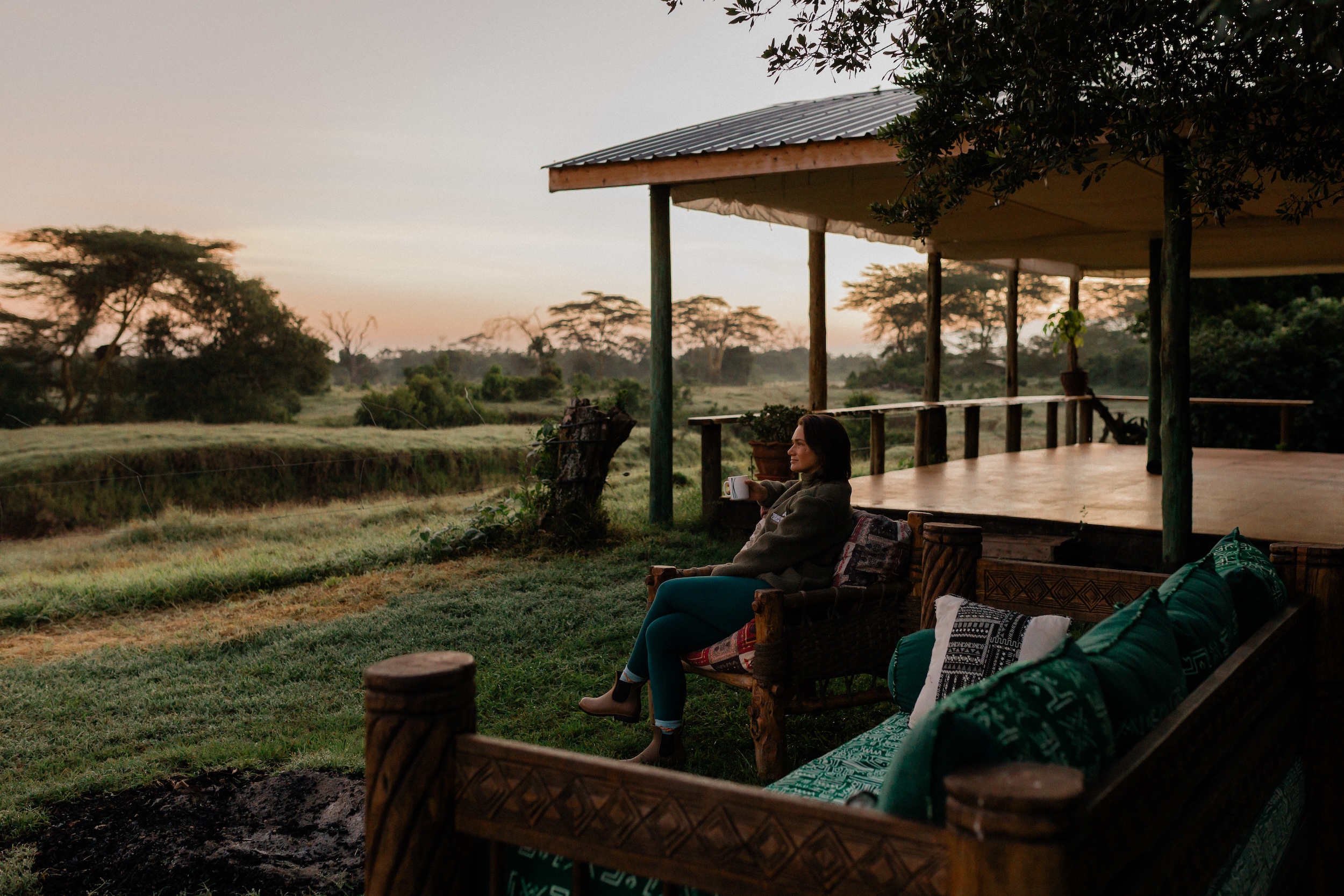
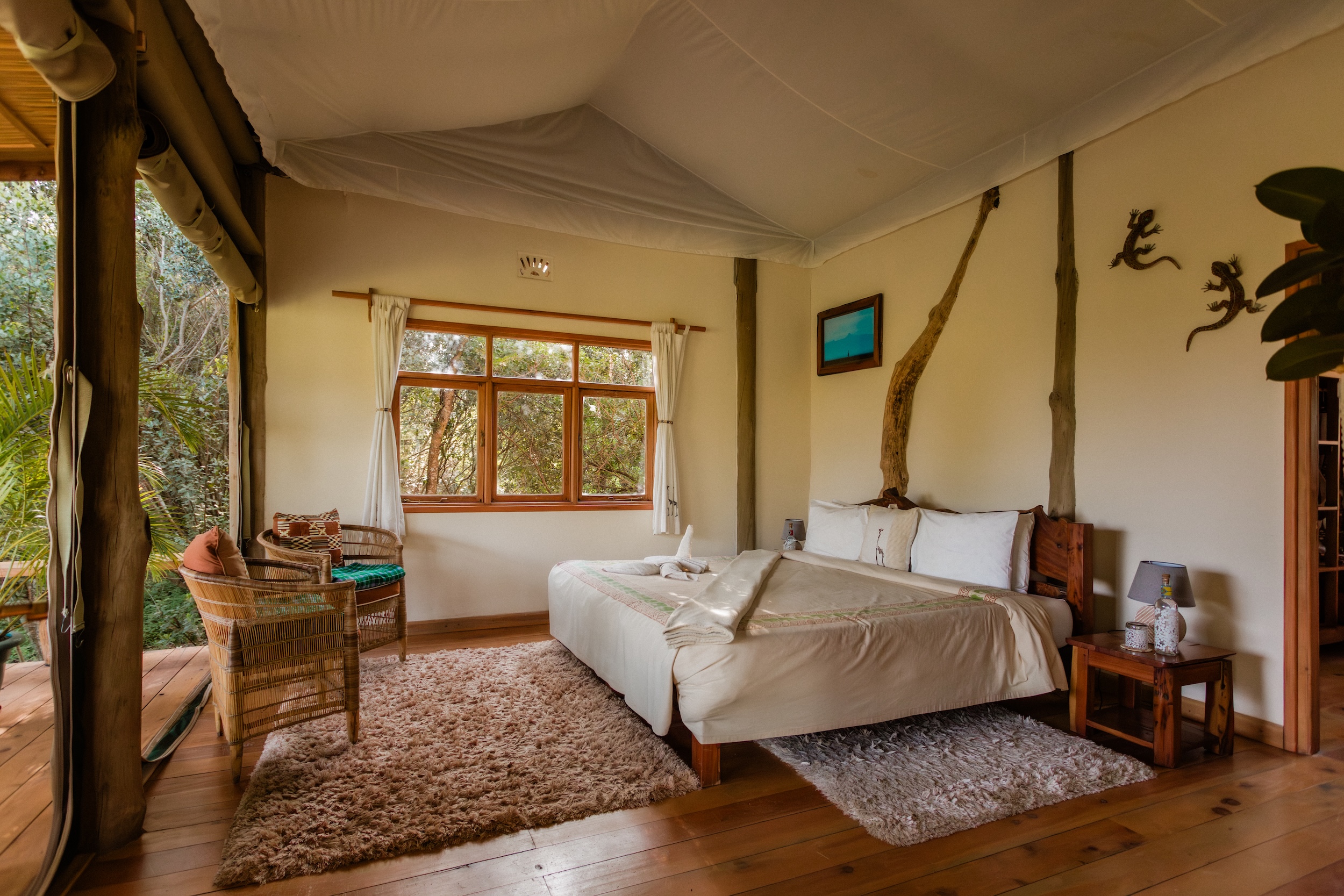
A stylish, contemporary tented camp in Ol Pejeta Conservancy, with wide plains views toward Mount Kenya. Visit Tambarare Camp →
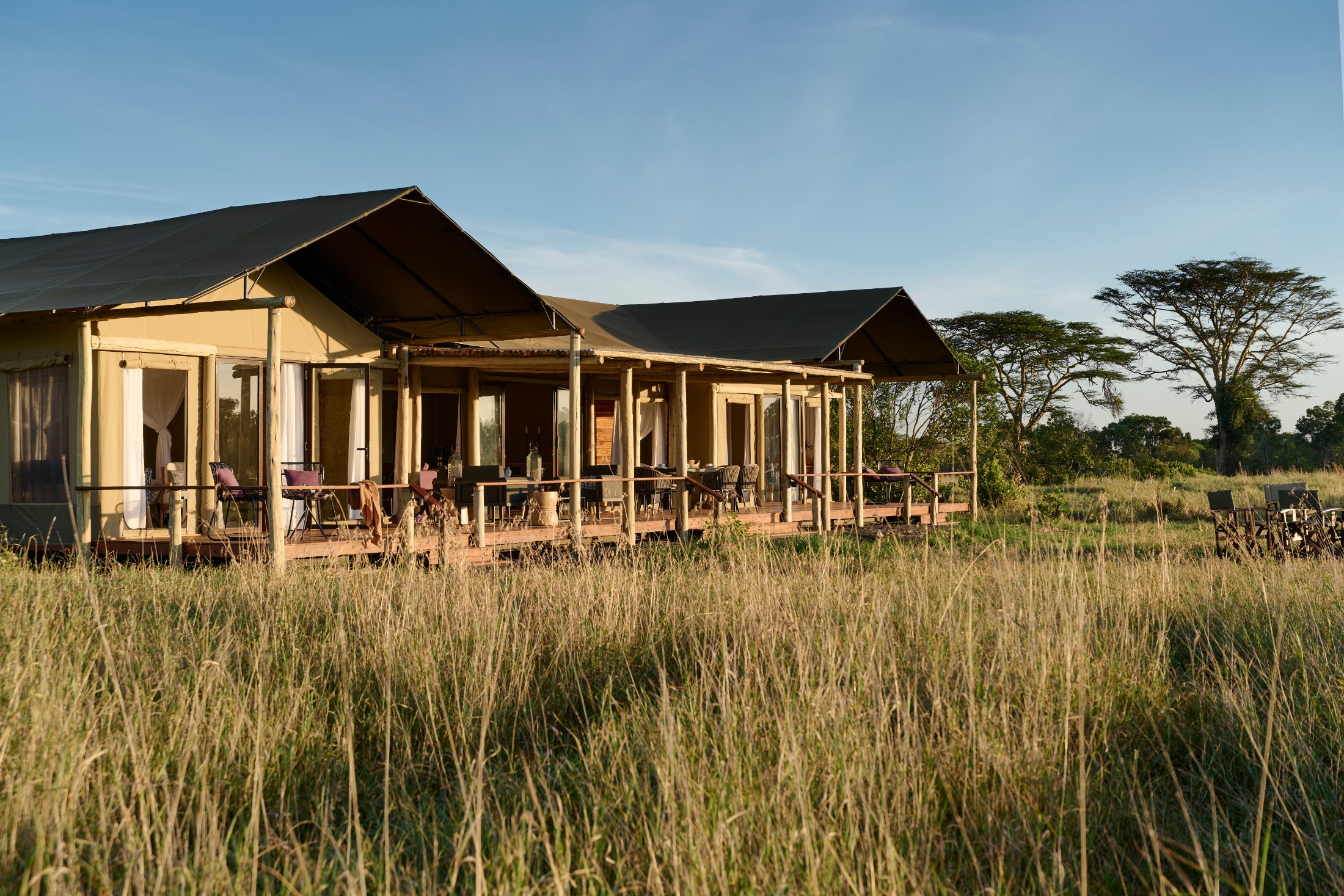
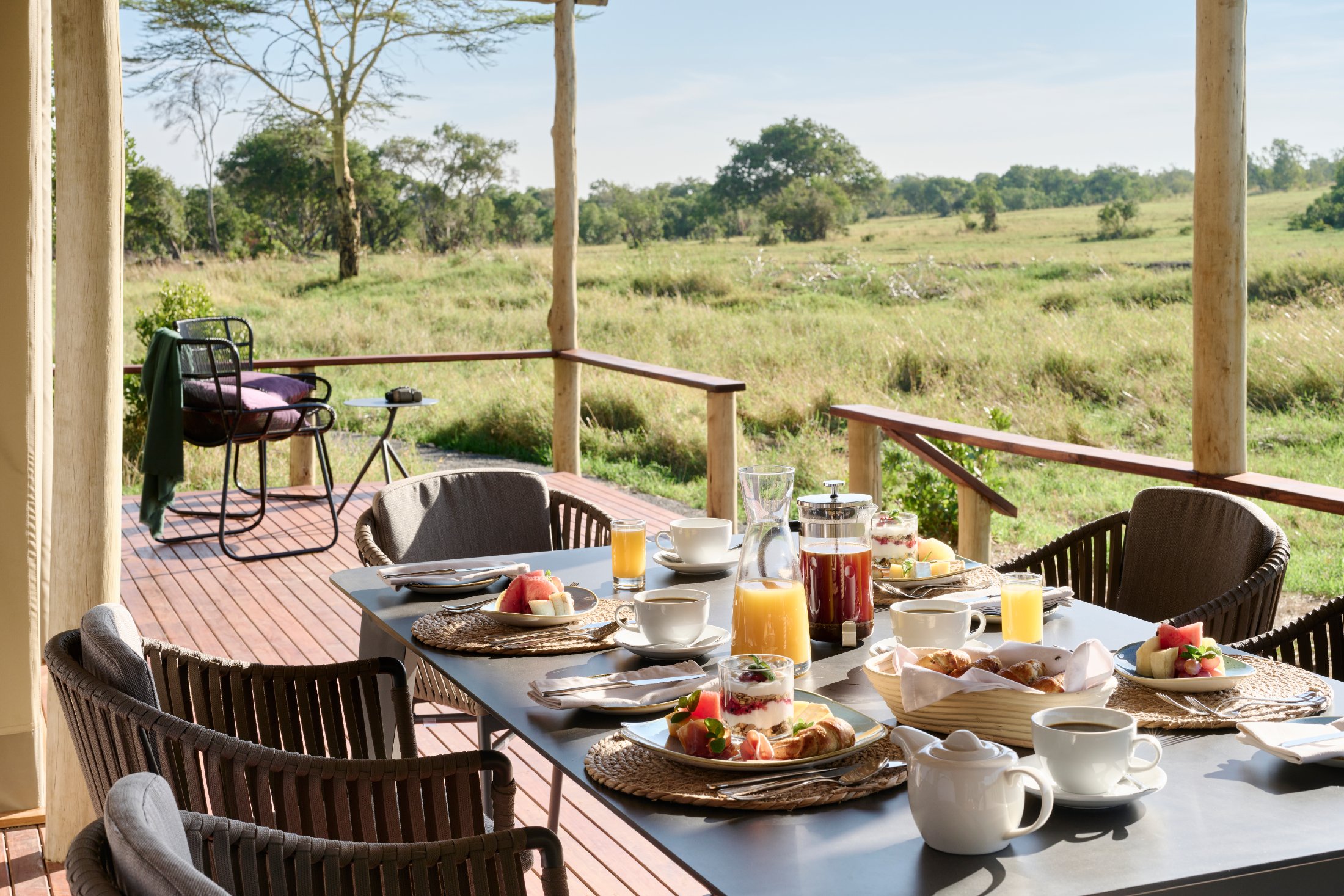
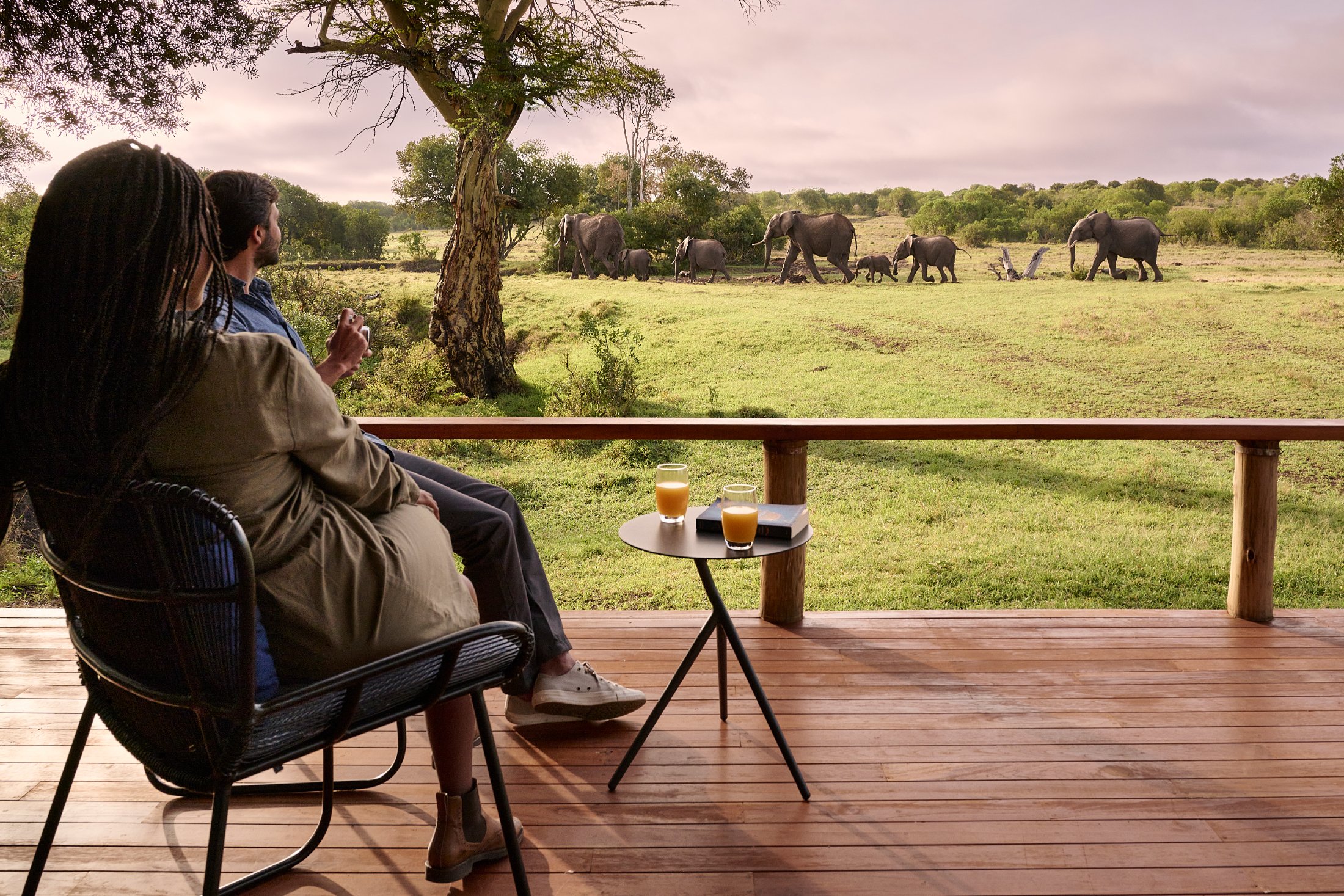
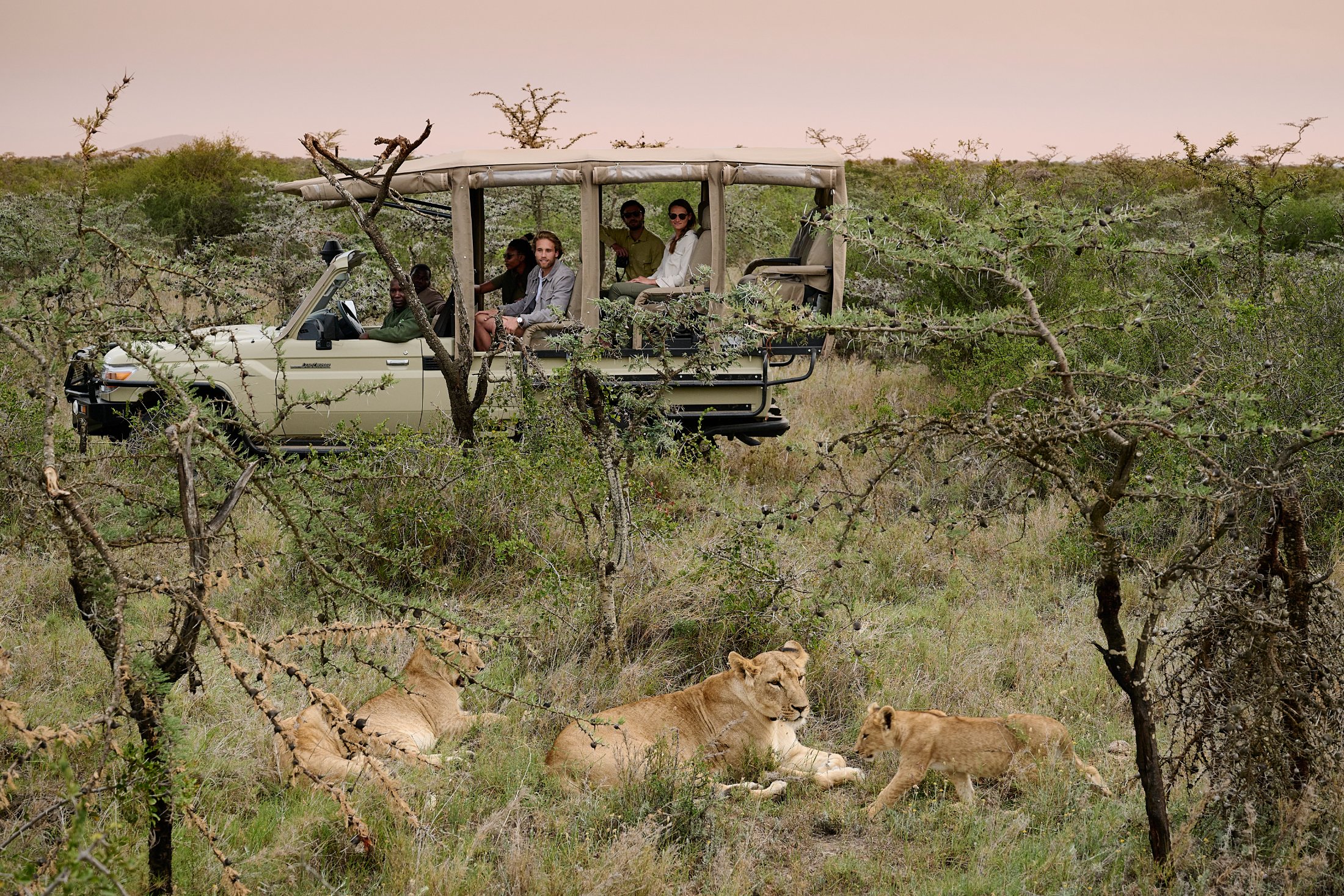
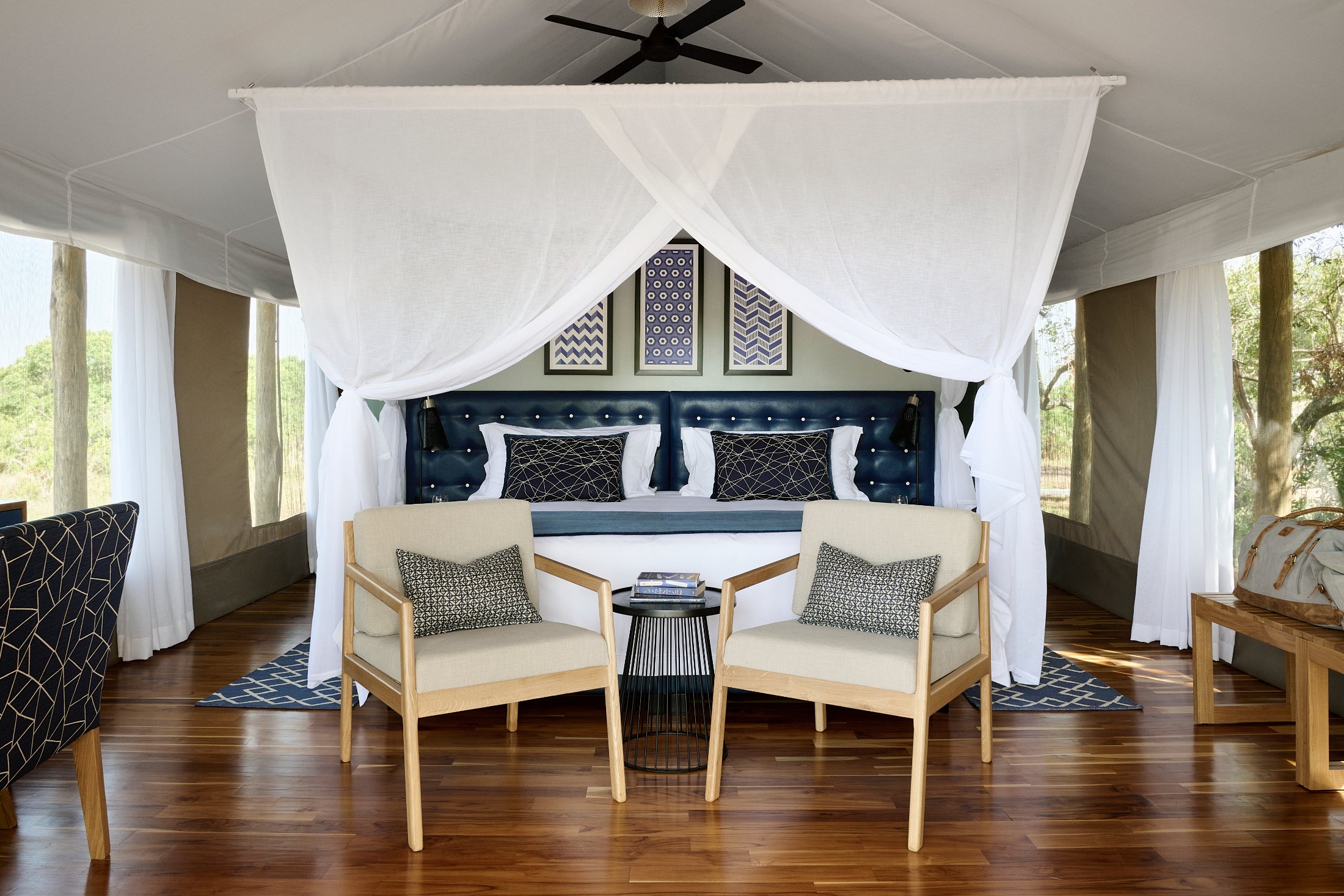
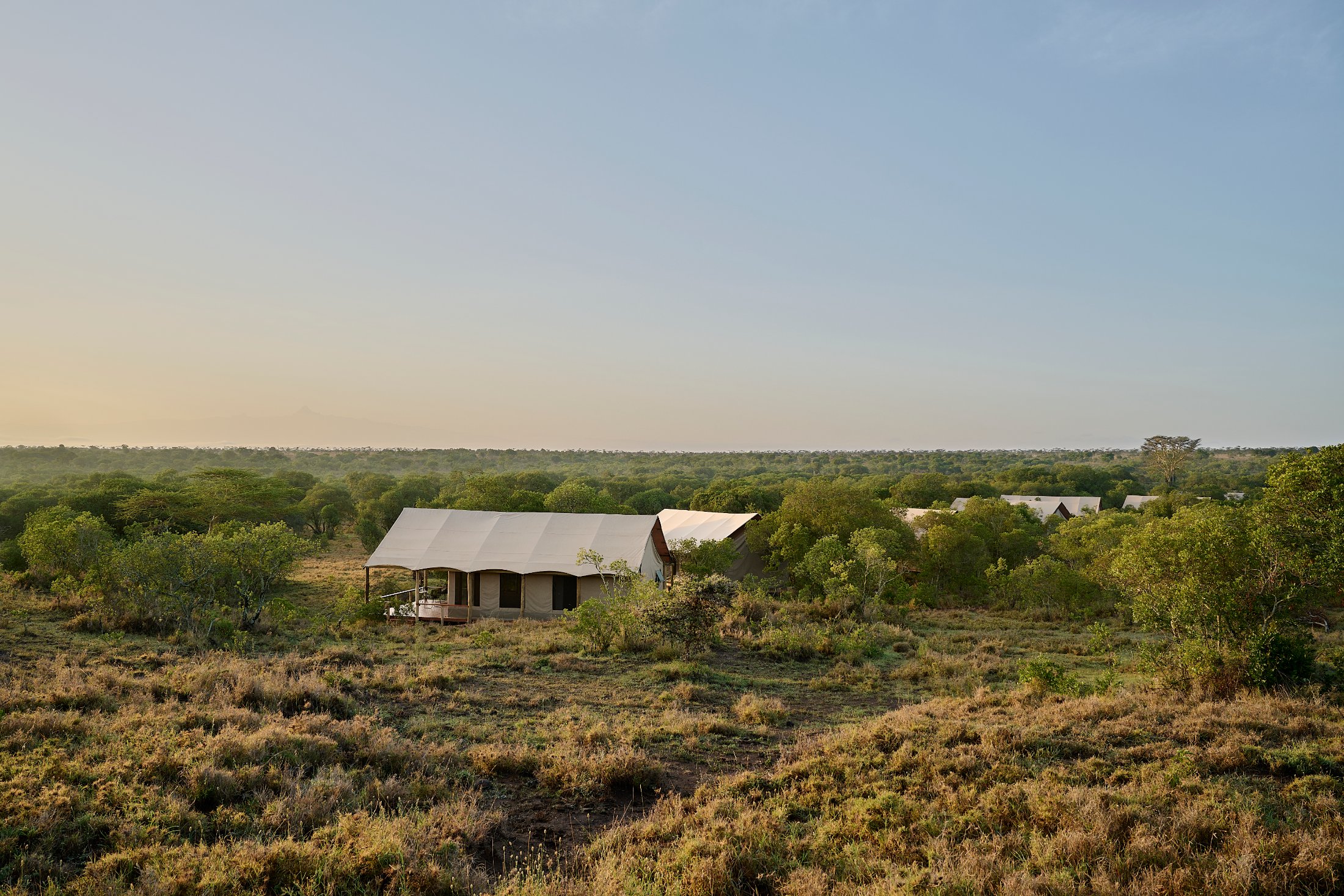
Other options include Kicheche Laikipia Camp, the exclusive-use Ol Pejeta House, and public/self-catering campsites for budget travellers.
Practical tips & best time to visit
- Entry fees (2026, non-resident): about US$110 adult / US$55 child (3–11) / US$32 student; lower rates for East African residents and citizens. Day visitors get single entry (leave and you pay again); overnight guests get 24 hours on one ticket.
- Cashless conservancy — bring a card or use M-Pesa.
- Altitude & climate: Ol Pejeta sits high near the equator, so mornings and night drives can be cold — bring a fleece.
- Best time: the dry seasons (roughly June–October and December–March) generally offer the easiest game viewing and road conditions.
- Malaria: check current medical advice on antimalarial precautions before you travel.
Why it matters
Ol Pejeta is the rare place where a holiday and a rescue mission are the same act. Track a collared lion, watch Baraka turn his blind head toward a familiar voice, stand quietly near the last two northern white rhinos on the planet — and know that the cost of your visit is paying the rangers, scientists and community programmes fighting to keep all of it alive. That’s a safari with meaning.
 25South